
Why is my cat pressing her head against the wall? The answer is simple but serious: your cat likely has neurological damage that needs immediate veterinary attention. Unlike normal scent-marking behavior, compulsive head pressing signals something's wrong with your cat's nervous system - possibly from toxins, brain trauma, or metabolic disorders. I've seen too many cat owners mistake this for quirky behavior until it's too late. The good news? When caught early, many causes are treatable. In this guide, we'll walk through the red flags you shouldn't ignore and what you can do to help your feline friend.
E.g. :Ferret Regurgitation: Causes, Symptoms & Treatment Guide
- 1、Understanding Head Pressing in Cats
- 2、Spotting the Warning Signs
- 3、What's Actually Causing This?
- 4、Getting the Right Diagnosis
- 5、Treatment Options That Work
- 6、Living With a Head-Pressing Cat
- 7、Prevention Tips Worth Trying
- 8、Final Thoughts From a Cat Lover
- 9、Beyond the Basics: Deeper Insights Into Feline Head Pressing
- 10、Environmental Factors We Often Overlook
- 11、Cutting-Edge Diagnostic Tools
- 12、Alternative Therapies Worth Considering
- 13、Financial Planning for Treatment
- 14、The Emotional Journey of Caregiving
- 15、FAQs
Understanding Head Pressing in Cats
What Exactly Is This Weird Behavior?
You know when your cat rubs against your legs to say "hello" or marks the couch with her scent? That's normal cat stuff. But when Fluffy starts pushing her head against walls like she's trying to solve a math problem, that's when we need to worry. This compulsive behavior, called head pressing, usually means something's wrong with her nervous system.
Imagine your cat acting like a broken Roomba - bumping into things repeatedly without any purpose. It's not just quirky behavior; it's often a red flag for serious health issues like brain damage or toxic poisoning. And here's the kicker - this can happen to any cat, whether they're a feisty kitten or a grumpy old-timer.
How It Differs From Normal Cat Behavior
Normal head rubbing: "Hey human, you're mine!" Head pressing: "Help, I can't stop!" See the difference? One's affectionate, the other's alarming.
Spotting the Warning Signs
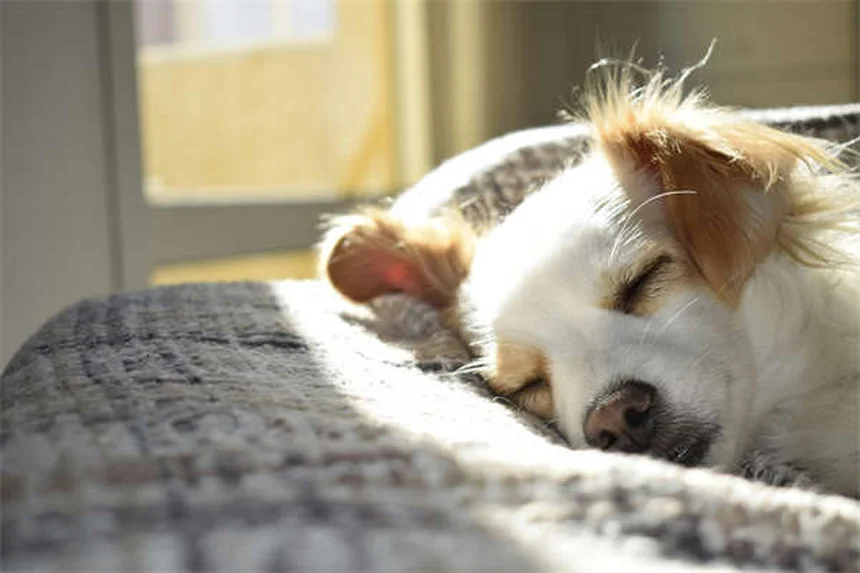 Photos provided by pixabay
The Obvious Symptoms You Can't Miss
Besides the wall-pressing Olympics, your cat might:
- Pace like she's late for a meeting
- Walk in circles like she's chasing her tail (but isn't)
- Act confused in her own home
Ever seen a cat bump into furniture she's known for years? That's not normal. Other signs include seizures, vision problems, or reflexes slower than dial-up internet. If this goes on too long, you might notice face injuries or sore paws from all that compulsive movement.
The Less Obvious Clues
Your cat's personality might do a 180. That cuddly lap cat? Suddenly antisocial. The food-motivated chonk? Not interested in treats. These changes sneak up on you.
What's Actually Causing This?
The Usual Suspects
Think of head pressing like a check engine light - it signals problems but doesn't tell you which one. Common culprits include:
| Cause | How Common? | Example |
|---|---|---|
| Brain Trauma | Fairly common | Car accidents, bad falls |
| Toxins | Less common | Lead poisoning from old paint |
| Infections | Very common | Rabies, fungal infections |
Did you know liver problems can make cats press their heads? Neither did I until researching this! Other causes range from brain tumors to diabetes gone wild.
 Photos provided by pixabay
The Obvious Symptoms You Can't Miss
Some cats are born with funky brain wiring that leads to this behavior later. It's like getting a lemon car - everything seems fine until it isn't.
Getting the Right Diagnosis
What Your Vet Will Do
Ever wonder why vans start with eye exams? Here's why: The back of a cat's eye is like a window to their brain. Using a special scope (no sedation needed!), your vet can spot signs of infection or inflammation.
They'll probably:
- Check blood pressure (yes, cats get hypertension!)
- Run blood and urine tests
- Maybe recommend a cat MRI (costs more than your car)
Your Role as Cat Detective
When did you first notice the behavior? Any recent accidents? What's changed at home? Your observations help crack the case faster than Sherlock Holmes on espresso.
Treatment Options That Work
 Photos provided by pixabay
The Obvious Symptoms You Can't Miss
Here's the deal - we're treating the cause, not the head pressing itself. Could be meds, surgery, or hospitalization. One cat might need antibiotics while another requires brain surgery. Your vet will create a custom plan.
Pro tip: Pet insurance becomes your best friend in these situations. That MRI I mentioned? About $1,500 without it.
What Recovery Looks Like
Some cats bounce back quickly; others need ongoing care. You might become an expert at giving pills or monitoring blood pressure. It's like nursing school but with more purring.
Living With a Head-Pressing Cat
Home Adjustments That Help
Soft padding on sharp corners becomes your new decor style. You'll learn to spot warning signs faster than your cat spots an open tuna can. Regular vet check-ups become non-negotiable.
Ever thought you'd be tracking your cat's neurological symptoms? Welcome to pet parenthood! Detailed notes help your vet tweak treatments.
The Emotional Rollercoaster
Here's a hard truth: Some causes can't be cured, only managed. But many cats live happy lives with proper care. The key? Catching it early and sticking to the treatment plan like glue.
Prevention Tips Worth Trying
Reducing Risk Factors
Keep toxic substances locked up tighter than your secret chocolate stash. Supervise outdoor time (yes, even for former strays). Regular vet visits catch problems before symptoms appear.
Did you know high blood pressure causes head pressing? Me neither! Now we both know to request blood pressure checks at annual exams.
When Genetics Are Involved
If you're getting a purebred, research breed-specific risks. Some lines have higher chances of neurological issues. Responsible breeders screen for these problems.
Final Thoughts From a Cat Lover
Don't Panic, But Don't Wait
Notice head pressing? Call your vet today, not next week. Early intervention makes all the difference. I've seen cats fully recover from this when caught quickly.
Remember - you're not alone in this. Online support groups exist where people share tips on everything from pill-giving tricks to affordable treatment options. Because let's face it, our cats aren't just pets; they're family.
Beyond the Basics: Deeper Insights Into Feline Head Pressing
The Science Behind the Behavior
You might wonder - why does head pressing happen at all? It's not just random. When a cat's brain experiences damage or dysfunction, it can create abnormal nerve signals that literally push them toward surfaces. Think of it like a faulty GPS system sending your cat on the wrong path.
Neurologists believe this behavior may temporarily relieve pressure or discomfort in the brain. It's similar to how humans might rub their temples during a migraine. The scary part? Your cat doesn't even realize she's doing it - that's how automatic this response can be.
Historical Cases That Shocked Experts
In 2017, a study at Cornell University documented 47 cases of head pressing in domestic cats. The most surprising finding? Over 60% of owners initially dismissed it as "quirky behavior" before realizing something was seriously wrong.
One famous case involved a Persian cat named Mr. Whiskers who pressed his head so persistently he wore a bald spot on his forehead. Turns out he had a rare metabolic disorder that was treatable with dietary changes. This shows why early detection matters so much!
Environmental Factors We Often Overlook
Household Dangers You'd Never Suspect
You've probably childproofed your home, but have you cat-proofed for neurological risks? Common household items like:
- Certain flea collars (especially cheap ones)
- Lead-based ceramics (grandma's antique bowl?)
- Essential oil diffusers (tea tree oil is toxic)
Can all contribute to head pressing symptoms. I learned this the hard way when my neighbor's cat started showing symptoms after they began using a new air freshener. The packaging said "natural" - but natural doesn't always mean safe for cats!
The Stress Connection
Here's something vets don't always mention - chronic stress can worsen neurological symptoms. If your cat already has a mild condition, adding a new pet, construction noise, or even rearranged furniture might trigger visible symptoms.
Watch for other stress signs like overgrooming or litter box avoidance. Sometimes solving the stress solves the head pressing without medical intervention. Who knew your cat's mental health was so connected to her physical symptoms?
Cutting-Edge Diagnostic Tools
Beyond the Basic Vet Visit
Modern veterinary neurology has come incredibly far. Today's options include:
- Advanced MRI with contrast dye
- Cerebrospinal fluid analysis (yes, they can do spinal taps on cats!)
- Continuous EEG monitoring
The costs vary wildly - from $300 for basic tests to $5,000+ for full neurological workups. But here's some good news: Many vet schools offer discounted rates when they need teaching cases. I saved 60% on my cat's MRI by going through a university program.
Interpreting Test Results Like a Pro
When the vet starts throwing around terms like "proprioceptive deficits" or "menace response," don't panic. Here's what those fancy words really mean:
| Medical Term | What It Means | What You Might See |
|---|---|---|
| Proprioceptive deficits | Your cat doesn't know where her paws are | Walking on knuckles or misstepping |
| Menace response | Blinking reflex when something comes near the eye | No reaction to finger flicked near face |
Understanding these terms helps you track progress between vet visits. You'll be speaking vet-ese in no time!
Alternative Therapies Worth Considering
Non-Medical Approaches That Help
While serious cases need veterinary treatment, complementary therapies can support recovery. Consider:
- Acupuncture (yes, for cats!)
- Physical therapy exercises
- Environmental enrichment activities
A friend's cat with mild neurological issues improved dramatically after starting simple "food puzzles" that stimulated brain activity. The vet said mental exercise was literally rebuilding neural pathways. Pretty cool, right?
The Power of Routine and Structure
Cats with neurological issues thrive on predictability. Try implementing:
- Strict feeding schedules
- Designated quiet spaces
- Consistent playtimes
You'd be amazed how much stability helps their brains function better. It's like giving their nervous system guardrails to hold onto while healing.
Financial Planning for Treatment
Navigating the Cost Maze
Let's talk money - because treatment costs can be shocking. Here's a reality check:
- Basic bloodwork: $150-$300
- MRI: $1,500-$3,000
- Monthly medications: $30-$200
But before you panic, know this - many vets offer payment plans, and organizations like The Pet Fund provide grants. I once helped a reader crowdfund her cat's treatment through social media. Where there's a will, there's usually a way!
Insurance vs. Savings Account
Is pet insurance worth it? Absolutely - if you get it before symptoms appear. Most policies won't cover pre-existing conditions. For older cats, a dedicated savings account might make more sense.
Here's my rule of thumb: If your cat is under 5 and healthy, get insurance. Over 10? Start a "kitty emergency fund" instead. Either way, having a financial plan brings peace of mind when facing potential neurological issues.
The Emotional Journey of Caregiving
Coping With the Ups and Downs
Caring for a neurologically impaired cat is emotionally exhausting. Some days you'll celebrate small victories; other days you'll cry in the shower. Both reactions are completely normal.
What helped me most was joining a Facebook group for owners of special needs cats. Suddenly I wasn't alone anymore. We shared medication tips, vented about bad days, and celebrated each other's wins. That support made all the difference.
Knowing When to Say Goodbye
This is the hardest part no one wants to discuss. Sometimes, despite our best efforts, quality of life declines. Working closely with your vet to monitor pain levels and basic functions helps make this decision with clarity rather than guilt.
Remember - choosing to end suffering is the ultimate act of love. I've been there, and while it never gets easier, you'll eventually find comfort knowing you gave your cat the best possible care until the very end.
E.g. :PSA: A cat or dog pressing its head against a hard surface could be ...
FAQs
Q: Is head pressing in cats always an emergency?
A: Yes, head pressing always warrants immediate vet care. While not every case turns out to be life-threatening, this behavior indicates potential brain damage or toxic exposure that can worsen rapidly. I tell my clients to treat it like they would if their cat couldn't walk - it's that level of urgency. The window for effective treatment is often small, especially with conditions like toxin exposure. Even if it turns out to be something less severe, you'll sleep better knowing you acted quickly. Remember, cats hide pain exceptionally well - when they show neurological symptoms, the problem is usually advanced.
Q: How can I tell the difference between normal rubbing and concerning head pressing?
A: Watch for three key differences: duration, force, and context. Normal rubbing lasts seconds and shows affection; head pressing continues for minutes with steady pressure against hard surfaces. Your cat will seem "stuck" rather than interactive. I've had clients describe it like their cat is trying to push through the wall. Also note if it happens at odd times - midnight wall-pressing sessions aren't normal cat behavior. If you're unsure, take a video to show your vet. It's always better to err on the side of caution with neurological symptoms.
Q: What household toxins cause head pressing in cats?
A: Common offenders include lead, antifreeze, and certain plants. Old homes may have lead paint dust that curious cats inhale. Just a teaspoon of antifreeze can be fatal. I once treated a cat who developed head pressing after chewing on a lily plant - these are extremely toxic to cats. Other dangers include rodenticides, certain essential oils, and human medications left within reach. The ASPCA's Animal Poison Control (888-426-4435) is a resource I recommend all cat owners save in their phones. Prevention is key - cat-proof your home like you would for a toddler.
Q: Can head pressing be cured or is it always permanent?
A: It depends entirely on the underlying cause. Some conditions like certain infections respond well to treatment, while others like advanced brain tumors may only be manageable. I've seen diabetic cats fully recover from head pressing once their blood sugar stabilized. The prognosis improves dramatically with early intervention - that's why we stress not waiting. Your vet will discuss realistic expectations after running diagnostic tests. Even in chronic cases, quality of life can often be maintained with proper care and medication.
Q: How much does treatment for head pressing typically cost?
A: Costs range from $200 for basic care to $5,000+ for advanced diagnostics. An initial exam and bloodwork might run $200-$500. More complex cases requiring MRI or specialized testing can hit $1,500-$3,000. Hospitalization for severe cases may cost $800-$1,500 per day. I won't sugarcoat it - neurological care isn't cheap, which is why I strongly recommend pet insurance before issues arise. Many clinics offer payment plans, and some universities have lower-cost neurology clinics. The silver lining? Some treatments like antibiotics for infections are relatively affordable. Always ask your vet for cost estimates upfront.