
Is your dog carrying extra pounds? Helping your overweight dog lose weight might be the most loving thing you can do for them. The answer is clear: weight loss can add years to your dog's life while preventing serious health issues like arthritis, diabetes, and heart disease. I've worked with hundreds of dog owners who saw dramatic improvements after helping their pups shed just 10-15% of their body weight.Here's the truth - most weight loss programs fail because they're too extreme. The key is making small, sustainable changes that fit your lifestyle. Start by simply measuring your dog's food portions accurately and adding 5 minutes to their daily walk. These baby steps can lead to big results over time!
E.g. :Rabies Vaccine for Dogs: Essential Schedule & Safety Guide
- 1、Why Your Dog's Weight Matters More Than You Think
- 2、The Life-Changing Benefits You'll See
- 3、Making Weight Loss Fun (Yes, Really!)
- 4、Common Mistakes to Avoid
- 5、Success Stories That Will Inspire You
- 6、Your Action Plan Starts Today
- 7、The Hidden Dangers of Free Feeding
- 8、The Emotional Side of Dog Weight Loss
- 9、Beyond the Scale: Other Health Indicators
- 10、Special Considerations for Different Breeds
- 11、When to Seek Professional Help
- 12、FAQs
Why Your Dog's Weight Matters More Than You Think
The Shocking Truth About Pet Obesity
Let me tell you something that might surprise you - over half of American dogs are overweight. That's right, we're literally loving our pets to death with too many treats and not enough walks. Veterinarians are sounding the alarm because extra pounds can lead to serious health issues like heart disease, arthritis, and even cancer.
But here's the good news - helping your pup shed those extra pounds can add years to their life and dramatically improve their quality of life. I've seen it happen countless times with my own eyes. Dogs who could barely walk up stairs suddenly chasing squirrels again! The transformation is incredible.
Your Dog's Weight Loss Success Starts Here
Want to know a secret? Most weight loss programs fail because people try to change too much too fast. Let's be real - neither you nor your dog will stick with a 3-mile daily run if you're currently couch potatoes. Start small and build gradually.
Here's what works best based on veterinary research:
| Strategy | Easy Starting Point | Long-Term Goal |
|---|---|---|
| Exercise | Add 5 minutes to daily walks | 30-60 minutes daily activity |
| Treats | Cut treats by 25% | Treats ≤10% of daily calories |
| Mealtime | Use puzzle feeder 1x/day | All meals from activity toys |
The Life-Changing Benefits You'll See
 Photos provided by pixabay
1. Say Goodbye to Vet Bills (Well, Most of Them)
Did you know overweight dogs visit the vet twice as often as fit dogs? All those extra pounds put tremendous strain on their bodies. Every pound lost reduces their risk for:
- Diabetes (up to 50% lower risk)
- Arthritis pain (dramatic improvement)
- Breathing problems (easier panting)
- Cancer risk (potentially 30% reduction)
I'll never forget Max, a Labrador who lost 15 pounds. His owner told me, "It's like I got my puppy back!" The change in energy and personality was remarkable.
2. More Years With Your Best Friend
Here's a heartbreaking fact - overweight dogs live up to 2.5 years less than their fit counterparts. That's thousands of fewer belly rubs, fewer games of fetch, fewer happy greetings at the door.
But the opposite is also true! In that famous Labrador study, the lean dogs were still going strong at 16-17 years old - that's like a human living to 100! Their secret? Maintaining a healthy weight throughout life.
Making Weight Loss Fun (Yes, Really!)
Turn Mealtime Into Playtime
Who says dieting has to be boring? Some of my favorite weight loss tools are actually toys! The Kong Wobbler and Busy Buddy turn eating into a game that burns calories while they eat. It's like getting paid to go to the gym!
Here's a pro tip: Start with the easiest setting and gradually increase difficulty as your dog gets better at it. You'll be amazed at how quickly they learn - and how much more tired they are after "dinner games"!
 Photos provided by pixabay
1. Say Goodbye to Vet Bills (Well, Most of Them)
Ever wonder why fitness trackers work so well for humans? The same psychology applies to dogs! Devices like FitBark let you:
- Set daily activity goals
- Monitor sleep quality
- Track weight loss progress
- Even compete with other dog owners!
One of my clients joked that her dog gets jealous when she checks her own Fitbit but not his FitBark. Now they "compare steps" every evening - and both are getting healthier together!
Common Mistakes to Avoid
The Treat Trap
Here's a question that might make you think: "Am I showing love or creating health problems?" When we use treats as our primary way to bond with dogs, we're actually putting their health at risk.
The solution isn't cutting out treats completely - that would be cruel! Instead, try these alternatives:
- Use their regular kibble as "treats" during training
- Offer baby carrots or green beans as low-cal options
- Replace food rewards with playtime and praise
- Measure out daily treats in the morning to avoid overdoing it
Going Too Fast Too Soon
Another important question: "Is my dog's weight loss program sustainable?" Crash diets are just as dangerous for dogs as they are for humans. Safe weight loss should be gradual - about 1-2% of body weight per week.
Work with your vet to create a customized plan that considers your dog's:
- Current health status
- Breed characteristics
- Age and activity level
- Any medical conditions
- Your family's lifestyle
Success Stories That Will Inspire You
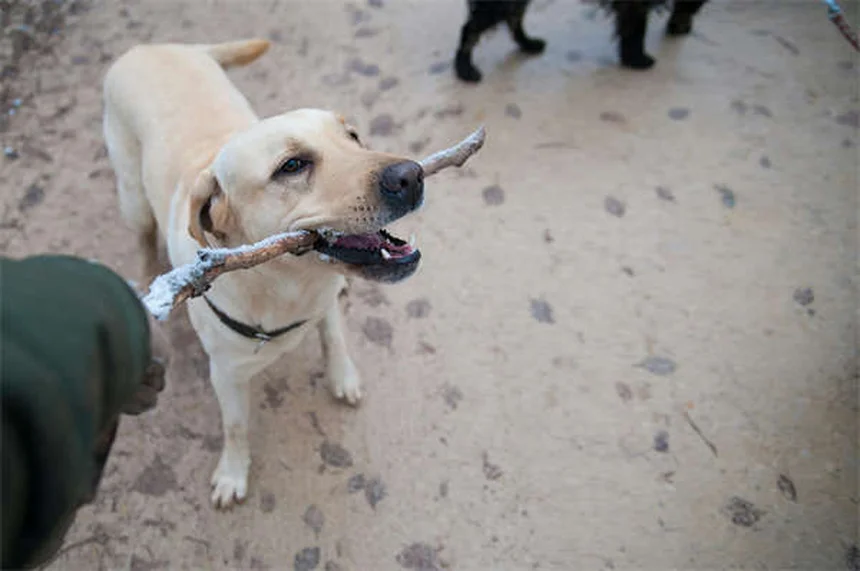 Photos provided by pixabay
1. Say Goodbye to Vet Bills (Well, Most of Them)
Meet Bailey, a Dachshund who weighed 38 pounds (nearly double his ideal weight). His owners thought he was just "big boned" until back problems started. Through a combination of:
- Controlled portion sizes
- Daily short walks (gradually increasing)
- Hydrotherapy sessions
- Puzzle feeders for meals
Bailey lost 18 pounds over 8 months. His owner tearfully told me, "I didn't realize how much pain he was in until I saw how happy he became." Now Bailey goes on 2-mile hikes every weekend!
The Senior Dog Who Got His Groove Back
Then there's Rocky, a 12-year-old Golden Retriever who could barely get up from his bed. After a 15-pound weight loss:
- His arthritis medication was cut in half
- Blood work improved dramatically
- He started playing with toys again
- Even his coat looked shinier!
Rocky's story proves it's never too late to make positive changes. His vet said the weight loss added at least 2 quality years to his life.
Your Action Plan Starts Today
First Steps You Can Take Right Now
Don't wait for "the perfect time" - start today with these simple actions:
1. Measure your dog's food - no more eyeballing portions!
2. Take before photos - you'll want these for comparison later
3. Schedule a vet checkup - rule out medical causes
4. Buy a food scale - accuracy matters
5. Plan one extra walk this week - even 5 minutes helps
Remember, every small change adds up. As one of my clients put it: "We didn't go on a diet - we just made better choices every day." That's the secret to lasting success!
Building a Support System
You don't have to do this alone! Consider:
- Joining a dog weight loss challenge group
- Enlisting family members to help with walks
- Finding a "diet buddy" with another dog owner
- Working with a veterinary nutritionist
- Following inspiring transformation stories online
The journey to better health is always easier (and more fun) when you've got company. Before you know it, you'll be the one inspiring others with your success story!
The Hidden Dangers of Free Feeding
Why That Always-Full Food Bowl is a Problem
You might think you're being kind by keeping your dog's bowl constantly full, but free feeding is one of the biggest contributors to pet obesity. Dogs, unlike humans, don't naturally regulate their food intake when it's always available. Their instincts tell them to eat whenever food is present, a leftover survival mechanism from their wild ancestors.
I've seen so many cases where simply switching from free feeding to scheduled meals made a dramatic difference. Take Bella, a Beagle who lost 8 pounds in three months just by eating two measured meals per day instead of grazing all day long. Her energy levels skyrocketed!
The Science Behind Meal Timing
Did you know dogs actually benefit from intermittent fasting? Research shows that controlled meal times improve digestion and metabolism. Here's what happens when you establish a feeding schedule:
- Their body learns when to expect food, reducing anxiety
- Digestive enzymes become more efficient
- Blood sugar levels stabilize
- They actually enjoy their meals more!
Think about it - wouldn't you appreciate Thanksgiving dinner more if you didn't snack all day? Same principle applies to your pup!
The Emotional Side of Dog Weight Loss
Breaking the Food = Love Myth
Here's a tough truth we need to address: Many of us use food to express love because it's easy and gets an immediate happy response. But is that really what's best for our dogs? There are countless other ways to show affection that don't involve calories:
- Extra belly rubs and ear scratches
- Longer play sessions with favorite toys
- New training challenges to stimulate their mind
- Special outings to dog-friendly places
- Simply spending more quality time together
One of my clients replaced treat-giving with 5 minutes of dedicated cuddle time, and guess what? Her dog seemed even happier with the new routine!
Dealing With the "Puppy Dog Eyes"
We've all been there - those soulful eyes staring at us while we eat dinner. But giving in to begging creates a vicious cycle. Here's a comparison of common responses and their outcomes:
| Your Response | Short-Term Result | Long-Term Consequence |
|---|---|---|
| Give food | Happy dog in the moment | Increased begging behavior |
| Ignore begging | Persistent attempts | Eventually stops begging |
| Redirect attention | Mild confusion | Learns alternative behaviors |
The key is consistency. It might feel tough at first, but your dog will adapt surprisingly quickly when they learn begging doesn't work anymore.
Beyond the Scale: Other Health Indicators
The Rib Test You Should Know
While the scale is important, you can't rely on weight alone to assess your dog's fitness. Different breeds have different ideal body compositions. Here's a simple at-home check anyone can do:
Run your hands along your dog's sides. You should be able to feel individual ribs with a slight fat covering - like the back of your hand when you make a fist. If it feels like the palm of your open hand, they're likely overweight. If ribs are visibly protruding, they might be underweight.
This test takes just seconds but gives you valuable information between vet visits. I recommend doing it weekly to track changes!
Energy Levels Tell the Real Story
Ever notice how much more excited your dog gets about walks after they've lost a few pounds? Improved energy is one of the earliest and most noticeable benefits of weight loss. Here's what to look for:
- More enthusiasm for playtime
- Willingness to go on longer walks
- Better endurance during activities
- More restful sleep patterns
- Brighter, more alert expression
These changes often appear before the scale shows significant movement, so pay attention to these subtle but important signs of progress!
Special Considerations for Different Breeds
Small Dogs vs. Big Dogs: Different Challenges
Did you know a single extra pound on a Chihuahua is equivalent to about 30 pounds on a human? Small breed dogs face unique weight management challenges because their calorie needs are so precise. A few extra kibbles can make a big difference!
On the other hand, large breeds like Labradors tend to gain weight more gradually but face greater joint stress when overweight. Their weight loss programs need special attention to protecting their hips and elbows during exercise.
Breed-Specific Health Risks
Certain breeds are predisposed to weight-related health issues that owners should know about:
- Dachshunds: Back problems exacerbated by weight
- Pugs: Breathing difficulties worsened by extra pounds
- Cocker Spaniels: Ear infections more common in overweight dogs
- Bulldogs: Joint issues compounded by excess weight
- Beagles: Prone to overeating if given the chance
Knowing your dog's breed tendencies helps you stay ahead of potential problems. As my vet friend says, "An ounce of prevention is worth a pound of cure - literally!"
When to Seek Professional Help
Red Flags You Shouldn't Ignore
While many dogs can safely lose weight at home, some situations require veterinary guidance. Watch for these warning signs:
- Sudden weight gain without diet changes
- Difficulty breathing during normal activities
- Reluctance to move or play that's out of character
- Changes in eating or drinking habits
- Lethargy that lasts more than a day or two
These could indicate underlying medical conditions like hypothyroidism or Cushing's disease that need professional treatment. Better safe than sorry!
The Power of a Veterinary Nutritionist
For dogs with special needs or those who've struggled with weight loss, a veterinary nutritionist can be a game-changer. They create customized plans that consider:
- Exact calorie requirements
- Ideal nutrient balances
- Any food sensitivities
- Medical conditions
- Your lifestyle constraints
Yes, it's an investment, but think about the potential savings on future vet bills and medications! Many clients tell me it's the best money they've ever spent on their pet's health.
E.g. :5 Health Benefits You Can Expect When You Help Your Dog Lose ...
FAQs
Q: How much weight should my dog lose each week?
A: The safest weight loss pace for dogs is about 1-2% of their body weight per week. This might seem slow, but rapid weight loss can be dangerous. For a 50-pound dog, that's just 0.5 to 1 pound weekly. I always tell my clients to think marathon, not sprint - sustainable changes lead to lasting results. Use a digital scale to track progress, and remember that muscle weighs more than fat, so your dog might be getting healthier even if the scale doesn't move quickly.
Q: What's the best dog food for weight loss?
A: Look for a high-protein, high-fiber, lower-calorie formula specifically designed for weight management. Many veterinary diets like Hill's Prescription Diet Metabolic or Royal Canin Satiety Support are excellent options. The key is keeping your dog feeling full while consuming fewer calories. Always transition foods gradually over 7-10 days to avoid digestive upset, and never reduce calories by more than 20% without veterinary guidance.
Q: How can I exercise my overweight dog safely?
A: Start with low-impact activities like short, frequent walks or swimming if possible. Avoid high-impact exercises like running or jumping until your dog loses some weight. I recommend the "5-minute rule" - add just 5 minutes to your dog's current activity level each week. Puzzle feeders and food-dispensing toys like Kong Wobblers are fantastic for mental stimulation while burning extra calories during mealtime.
Q: Are there any health risks to rapid dog weight loss?
A: Absolutely! Crash diets can cause serious health problems including liver disease, muscle loss, and nutritional deficiencies. Some dogs may develop a potentially fatal condition called hepatic lipidosis if they lose weight too quickly. That's why it's crucial to work with your vet to create a safe, gradual weight loss plan tailored to your dog's specific needs and health status.
Q: How do I know if my dog is at a healthy weight?
A: Use the "rib test" - you should be able to easily feel (but not see) your dog's ribs under a thin layer of fat. From above, they should have a visible waist behind the ribs. From the side, their abdomen should tuck up behind the rib cage. If you're unsure, ask your vet to perform a body condition score (BCS) assessment - they'll rate your dog on a scale from 1 (emaciated) to 9 (obese), with 4-5 being ideal.