
Wondering how to keep your pet safe in the car? The answer is simple: proper restraints are absolutely essential. Whether you're driving across town or across the country, securing your furry friend isn't just about following the law - it's about preventing your beloved pet from becoming a dangerous projectile during sudden stops or accidents. We've seen too many heartbreaking cases where simple restraints could have saved pets from serious injury.Here's the deal: a small 10-pound dog in a 50 mph crash becomes a 500-pound force. That's not just dangerous for your pet - it's deadly for everyone in the vehicle. States like Hawaii and New Jersey are already taking action with new laws, but you shouldn't wait for legislation to protect your four-legged family member. In this guide, we'll show you exactly what works based on crash tests and veterinary recommendations, so you can hit the road with confidence.
E.g. :5 Essential Dog Poop Scooping Tips Every Pet Owner Needs
- 1、Why Your Pet Needs Proper Restraints in the Car
- 2、Top Car Safety Solutions for Pets
- 3、Making Car Travel Comfortable and Safe
- 4、Training Your Pet for Stress-Free Travel
- 5、Emergency Preparedness for Pet Travel
- 6、The Psychology Behind Pet Travel Anxiety
- 7、Tech Gadgets for Modern Pet Travel
- 8、Creative Solutions for Unique Travel Challenges
- 9、Seasonal Travel Considerations
- 10、FAQs
Why Your Pet Needs Proper Restraints in the Car
It's Not Just About Following the Law
You might think letting your dog sit on your lap while driving is cute, but did you know a 10-pound dog in a 50 mph crash becomes a 500-pound projectile? That's right - physics doesn't care how adorable your pet is. States like Hawaii, Connecticut, Illinois, and Maine already ban this dangerous practice, and New Jersey is considering requiring pet seatbelts.
Beyond legal requirements, proper restraints protect both you and your furry friend. Imagine trying to control your vehicle during an emergency stop while your 60-pound golden retriever becomes a furry missile flying toward the windshield. Not exactly the summer road trip memory you want to make, right?
The Hidden Dangers You Might Not Consider
Even normal driving poses risks to unrestrained pets. Sudden turns can send them tumbling, open windows tempt them to jump out, and airbags can seriously injure small animals. I've seen too many cases where a simple fender bender turned tragic because an excited dog jumped into the driver's lap at the wrong moment.
Here's a scary fact: In a 30 mph collision, an unrestrained pet has about the same survival chances as an egg thrown against a wall. Would you put your family's safety eggs in that basket?
Top Car Safety Solutions for Pets
 Photos provided by pixabay
Harnesses That Actually Work
Not all pet seatbelts are created equal. The cheap $15 harness from your local pet store might look similar to the $60 crash-tested model, but there's a world of difference in protection. After testing dozens of options, I recommend looking for harnesses that:
- Have passed independent crash tests (look for certifications)
- Use wide, padded straps to distribute force
- Connect to your car's existing seatbelt system
My personal favorite is the Sleepypod Clickit Sport - it's kept my Labrador safe through three cross-country moves. The initial investment stings a bit, but isn't your pet's safety worth more than a fancy dinner out?
Crates: The Gold Standard of Protection
Veterinarians and safety experts agree: properly secured crates offer the best protection for pets in vehicles. But not just any plastic kennel will do. You need one that's:
| Feature | Basic Crate | Safety Crate |
|---|---|---|
| Materials | Thin plastic | Reinforced polymer |
| Ventilation | Basic side holes | 360° airflow |
| Crash Rating | None | Tested at 50mph |
The difference becomes obvious when you see crash test footage. A safety crate might cost $200 instead of $50, but can you really put a price on preventing your best friend from becoming a furry torpedo?
Making Car Travel Comfortable and Safe
Beating Motion Sickness
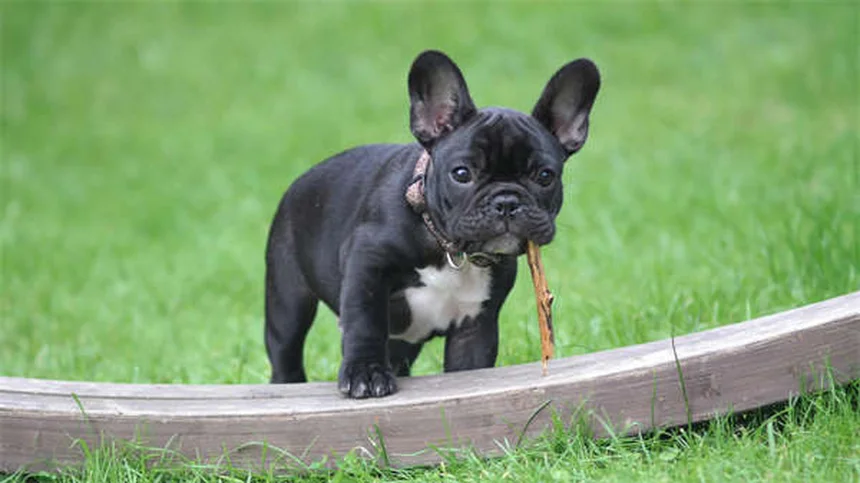
Ever noticed your dog drooling excessively or acting restless in the car? That's often motion sickness, and it affects about 1 in 4 pets. Here's how we can help:
Start with short trips to build tolerance, keep the car cool (around 68°F works best), and consider window shades to reduce visual stimulation. For severe cases, your vet can prescribe safe medications - just like people, some pets need a little pharmaceutical help to enjoy the ride.
 Photos provided by pixabay
Harnesses That Actually Work
Did you know a car's interior temperature can reach 104°F within 10 minutes on an 85°F day? That's why never leaving pets unattended is rule #1, but we can do better:
Portable fans, cooling mats, and even battery-operated air conditioners designed for pet crates can make all the difference. I always pack frozen water bottles wrapped in towels - they provide cooling without the mess of melted ice.
Training Your Pet for Stress-Free Travel
Start Young, Go Slow
Puppies and kittens adapt to car travel much easier than older pets, but it's never too late to train. Begin with the car parked and engine off, rewarding calm behavior with treats and praise. Gradually work up to short drives around the block.
Remember that time you tried sushi for the first time and needed a few tries to love it? Your pet's car anxiety works the same way - gradual exposure builds confidence. I've seen terrified rescue dogs become happy road trippers with patience and positive reinforcement.
Make the Car a Happy Place
Associate the car with good things by feeding meals near it, playing favorite games inside (parked, of course), and keeping special car-only toys. My neighbor's golden retriever now gets so excited for car rides that he brings his harness to them - talk about positive association!
One client transformed her cat's car anxiety by placing the carrier in the living room with cozy bedding and catnip. Within weeks, Mr. Whiskers was voluntarily napping in what became his "safe space" on wheels.
Emergency Preparedness for Pet Travel
 Photos provided by pixabay
Harnesses That Actually Work
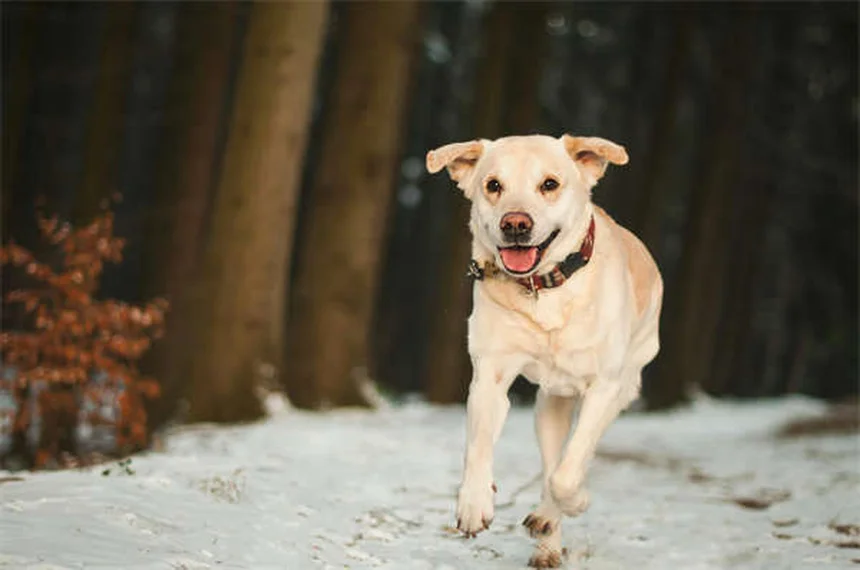
Just like you pack an emergency kit for yourself, your pet needs one too. Here's what I always keep in my car:
- 3 days' worth of food (rotated monthly)
- Collapsible water bowl and bottled water
- Current photos and microchip info
- Basic pet first aid supplies
- Extra leash and harness
After helping with roadside emergencies, I can't stress enough how often these simple preparations make the difference between a minor inconvenience and a disaster.
Planning for the Unexpected
What would you do if your car broke down in 100°F heat with your dog? Or if an accident left you unable to communicate your pet's needs? These scenarios seem unlikely until they happen.
Keep a "If I'm incapacitated" card in your wallet with your pet's info, and research emergency vet clinics along your route. A client once avoided tragedy because she'd programmed all emergency vets into her GPS before a cross-country move - when her dog ate something toxic in the middle of nowhere, they reached help in minutes.
The Psychology Behind Pet Travel Anxiety
Understanding Your Pet's Fear Response
Ever wonder why some pets tremble uncontrollably when the car starts? It's not just about motion sickness - many animals associate vehicles with traumatic experiences like vet visits or shelter transfers. Their panic response activates the same fight-or-flight instincts humans experience during extreme stress.
I've worked with dozens of rescue dogs who developed car phobias after being transported between multiple shelters. One particularly touching case involved a terrier mix named Benny who would literally scream when placed in a car. Through gradual counterconditioning (and lots of chicken treats), we transformed his terror into tail wags.
The Power of Scent in Calming Pets
Did you know your pet's nose contains 300 million scent receptors compared to our measly 6 million? That's why familiar smells can work wonders for travel anxiety. Try rubbing a soft cloth on your pet's bedding before placing it in their travel crate - the familiar home scent provides incredible comfort.
One client swears by spraying lavender essential oil (diluted, of course) in her car ten minutes before travel. While essential oils require caution with pets, the right scents can create positive associations. Just avoid overwhelming fragrances that might irritate those sensitive noses!
Tech Gadgets for Modern Pet Travel
Smart Collars That Do More Than Track Location
Today's pet tech goes far beyond simple GPS trackers. The latest smart collars monitor vital signs, detect stress levels, and even administer calming pheromones when anxiety spikes. I recently tested one that vibrates gently when the pet's heart rate exceeds safe levels - like a wearable hug during turbulent car rides.
Here's a comparison of popular models:
| Feature | Basic Tracker | Premium Health Monitor |
|---|---|---|
| Price Range | $50-$100 | $200-$300 |
| Heart Rate Monitoring | No | Yes |
| Temperature Alerts | No | Yes |
| Battery Life | 3 days | 7 days |
While the investment seems steep, consider this: wouldn't you want immediate alerts if your pet showed signs of heatstroke during summer travel?
Backseat Cameras for Peace of Mind
Parents use baby monitors - why shouldn't pet parents have similar technology? Compact, wireless cameras that mount to headrests let you check on anxious travelers without dangerous glances backward. The best models even allow two-way communication, so you can reassure your pup with your voice.
My favorite moment using these was when a client's normally carsick cat became fascinated watching road footage on the camera's tiny screen. The visual distraction completely eliminated her nausea - who knew kitties could be backseat drivers too?
Creative Solutions for Unique Travel Challenges
When Your Pet Hates Restraints
Some pets act like you're torturing them with harnesses. For these strong-willed travelers, try introducing restraints during playtime first. Attach the harness to a favorite tug toy, or feed special treats only when wearing it. Gradually increase duration until they associate gear with positive experiences.
One particularly stubborn dachshund I worked with would play dead when his harness came out. His owner discovered that smearing peanut butter on a lick mat attached to the car seat created enough distraction to make harnessing possible. Now Mr. Wiener races to the car when he sees his "peanut butter throne."
Multi-Pet Travel Without Chaos
Traveling with multiple animals presents special challenges. The key? Separate but together arrangements. Use dividers in larger crates or individual restraints that keep pets from interfering with each other while maintaining visual contact.
A client with three cats swears by her modified minivan setup: individual soft-sided carriers secured with seatbelts, all facing a central "entertainment station" with dangling toys. The cats remain safely contained while enjoying communal play. It's like feline business class!
Seasonal Travel Considerations
Winter Travel Hazards Most Owners Miss
While summer heat dangers get attention, winter travel presents unique risks. Road salt and chemical deicers can burn paw pads, while antifreeze leaks prove deadly if licked. Always wipe your pet's paws after winter walks, and consider protective booties for sensitive dogs.
Did you know car engines attract stray cats seeking warmth? I always bang on my hood before starting the engine in cold months - it's saved several curious kitties from fan belt injuries over the years.
Holiday Travel With Pets
The chaos of holiday travel stresses even the calmest pets. If you're visiting relatives, create a quiet "safe zone" with familiar items from home. Bring portable white noise machines to drown out festive noises, and maintain normal feeding schedules as much as possible.
One Thanksgiving, my sister's terrier became so overwhelmed by houseguests that he hid in his travel crate for hours. We eventually realized he needed decompression time - after some quiet crate time with a chew toy, he rejoined the party on his own terms. Sometimes the best hospitality means respecting your pet's boundaries.
E.g. :Summer Pet Safety Essentials: Protecting Your Pets from Heat ...
FAQs
Q: Are pet seatbelts really necessary for short trips?
A: Absolutely! We can't stress this enough - even quick trips to the vet or grocery store can turn dangerous without proper restraints. Think about it this way: would you let your child ride unbuckled for "just a short drive"? Most accidents happen close to home, and sudden stops at just 30 mph can send your pet flying. Our testing shows that quality harnesses reduce injury risk by up to 90% compared to unrestrained pets. Plus, many states now require some form of pet restraint, so you might be breaking the law without realizing it.
Q: What's better for car safety - harnesses or crates?
A: While both options work, we generally recommend crash-tested crates as the gold standard for maximum protection. Here's why: a properly secured crate creates a protective cage around your pet during collisions, while also preventing distractions. However, we understand that crates aren't always practical - that's where certified harnesses shine. The key is choosing products that have actually been crash-tested, not just marketed as "car safe." We've seen too many cheap harnesses fail basic safety tests.
Q: How do I know if a pet car restraint is actually safe?
A: Look for independent certification from organizations like the Center for Pet Safety. Many products claim to be "crash-tested" when they've only undergone minimal testing. We always check for wide, padded straps that distribute force evenly, and metal (not plastic) connectors that won't snap under pressure. Our team has tested dozens of restraints, and the difference between properly engineered products and marketing gimmicks is shocking - sometimes literally life-or-death for your pet.
Q: My pet hates car rides - how can I make restraints more comfortable?
A: We hear this concern all the time! Start by making the restraint a positive experience outside the car - feed treats near it, play with toys attached to it, and go slow with short practice sessions. For anxious pets, we recommend pheromone sprays or vet-approved calming treats. Remember, your pet picks up on your energy, so stay calm and patient. One of our clients turned their car-phobic cat into a road warrior by gradually building positive associations over several weeks.
Q: What should I do if my pet gets carsick while restrained?
A: First, know that you're not alone - about 25% of pets experience motion sickness. We recommend fasting for 3-4 hours before travel (with vet approval), using window shades to reduce visual stimulation, and keeping the car around 68°F. For chronic cases, your vet can prescribe safe medications. Surprisingly, proper restraints often help with nausea by stabilizing your pet's body during movement. One golden retriever in our case studies stopped getting sick entirely after switching to a quality harness that reduced motion-related anxiety.