
Does your dog keep scratching their ears? The answer is: your furry friend likely has an ear infection that needs attention. As a vet with over a decade of experience, I can tell you ear infections are the #1 reason dogs visit our clinic. And let me be clear - these aren't just minor annoyances. Left untreated, they can lead to serious complications like hearing loss or balance issues.Here's what you need to know right now: That yeasty smell and constant head shaking means bacteria or yeast have set up camp in your dog's ears. While breeds like Cocker Spaniels and Labradors are most at risk, any dog can develop this painful condition. The good news? With proper treatment (which we'll cover below), most dogs bounce back quickly. But first, let's help you recognize the 5 telltale signs that scream vet visit needed!
E.g. :Incurin® for Dogs: Safe Estrogen Treatment for Urinary Leaks
- 1、Why Ear Infections Are a Big Deal for Dogs
- 2、Top Dog Breeds That Need Extra Ear Care
- 3、What Really Happens at the Vet
- 4、Your At-Home Ear Care Routine
- 5、Extra Credit: Going Beyond the Basics
- 6、Final Pro Tips From a Vet Insider
- 7、The Hidden Costs of Ignoring Ear Infections
- 8、Fun Facts About Dog Ears You Never Knew
- 9、Myth Busting Common Ear Care Mistakes
- 10、When to Seek Specialist Help
- 11、Ear Care Products Worth Trying
- 12、FAQs
Why Ear Infections Are a Big Deal for Dogs
More Than Just an Itch
Let me tell you, ear infections are the #1 reason we see dogs at the vet clinic. And trust me, your pup isn't just being dramatic when they keep scratching those ears. Chronic ear infections can lead to serious issues like hearing loss or even balance problems.
How do you know if your dog has one? Well, they'll basically scream it at you without words:- Constant ear scratching (like they're trying to dig to China)- That funky "Fritos feet" smell coming from their ears- Redness that makes their ears look sunburned
The Science Behind the Itch
Here's what's happening inside those cute floppy ears: Bacteria and yeast throw a party in the warm, moist environment. The body tries to evict these party crashers by producing more earwax, but sometimes this backfires spectacularly.
Did you know most monthly flea treatments also prevent ear mites? That's right - one less thing to worry about!
Top Dog Breeds That Need Extra Ear Care
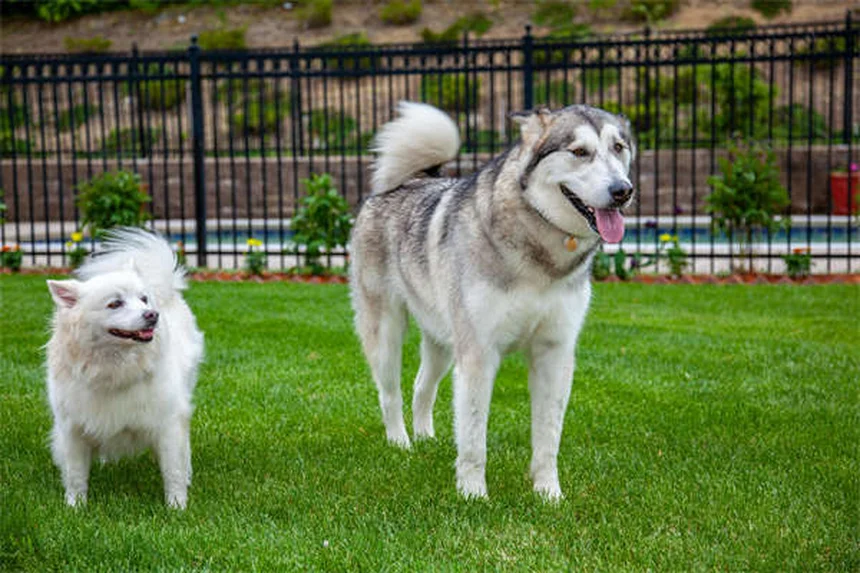 Photos provided by pixabay
The Floppy Ear Club
Some breeds might as well have "Welcome" mats for ear infections. Let's break it down:
| Breed | Why They're Prone | Special Care Needed |
|---|---|---|
| Cocker Spaniels | Heavy ear flaps trap moisture | Weekly ear checks |
| Labrador Retrievers | Water-loving nature | Dry ears after swimming |
| Poodles | Hairy ear canals | Regular ear hair trimming |
Special Cases
Pit Bulls often get a bad rap, but their real struggle? Allergies that lead to ear issues. And those adorable Shar-Peis? Their wrinkly skin means narrow ear canals that clog easier than a teenager's bathroom drain.
Ever wonder why allergic dogs get so many ear infections? It's a double whammy:1. All that scratching breaks down natural defenses2. Allergies cause yeast/bacteria to overgrow
What Really Happens at the Vet
The Ear Investigation
When you bring your pup in, we don't just glance and guess. We go full CSI: Canine Ear Unit with:- Magnifying otoscopes (fancy ear telescopes)- Microscope slides of ear gunk- Sometimes even cultures like a science experiment
And here's something most people don't know - we have to check if the eardrum is intact before prescribing certain medications. Why? Because some ear meds can cause deafness if the drum's ruptured!
 Photos provided by pixabay
The Floppy Ear Club
Treatment isn't one-size-fits-all. We might prescribe:- Antibiotic ointments (the ear version of Neosporin)- Special cleaners (doggy ear Gatorade)- Sometimes even oral meds for severe cases
Pro tip: Just because the scratching stops doesn't mean the infection's gone. That's why we usually want to recheck in 2-4 weeks - to make sure we've really kicked the infection to the curb.
Your At-Home Ear Care Routine
Prevention Is Cheaper Than Treatment
Want to save money on vet bills? Become your dog's personal ear butler with these simple steps:
After water activities (baths count too!):1. Gently towel dry both sides of the ears2. Use a vet-approved ear cleaner3. Massage the base (your dog will love this part)4. Let them shake it out (the canine equivalent of a hair flip)
Remember: Never use Q-tips deep in the canal - we're cleaning ears, not mining for gold! A cotton ball on the outer folds is perfectly safe though.
When to Sound the Alarm
Don't wait until your dog's scratching like they're in a DJ competition. Call your vet at the first sign of:- Head shaking- Unusual odor- Visible redness or discharge
Here's a joke for you: Why did the dog with an ear infection fail music class? Because he couldn't hear the notes! (Okay, maybe stick to your day job...)
Extra Credit: Going Beyond the Basics
 Photos provided by pixabay
The Floppy Ear Club
Some owners swear by natural remedies like:- Diluted apple cider vinegar rinses- Coconut oil massages- Probiotic supplements
But here's the deal - always check with your vet first. What works for one dog might irritate another. And never put anything in the ear if you suspect a ruptured eardrum!
When Allergies Are the Root Cause
If your dog gets frequent ear infections, we might need to play detective with:- Food trials (the canine version of Top Chef)- Environmental allergy testing- Special shampoos or medications
Think of it like this: Treating just the ear infection without addressing allergies is like bailing water from a boat with a hole - you've got to fix the source!
Final Pro Tips From a Vet Insider
Make It a Habit
Set phone reminders for:- Weekly ear checks (do it during belly rub time)- Monthly preventative treatments- Regular grooming appointments if your dog has hairy ears
Trust me, your future self will thank you when you're not making emergency vet visits on weekends!
Know Your Dog's Normal
Every dog's ears are different. Get familiar with:- Their usual ear wax color- Typical smell- How often they normally scratch
This way, you'll spot problems early - kind of like knowing when your kid is actually sick versus faking it to skip school.
The Hidden Costs of Ignoring Ear Infections
More Than Just Vet Bills
You might think treating ear infections is expensive, but wait until you see what happens if you ignore them! Chronic untreated infections can lead to:
- Hematomas (those painful blood blisters from excessive scratching)- Permanent narrowing of the ear canal (like trying to drink a milkshake through a coffee stirrer)- Surgery that could cost 10x more than early treatment
Ever wonder why some dogs develop "cauliflower ear"? That's what happens when repeated infections and trauma cause the ear cartilage to thicken permanently. Not exactly the fashion statement you want for your pup!
The Emotional Toll
Constant ear pain makes dogs grumpy and anxious. I've seen the sweetest golden retrievers turn into growling messes because nobody addressed their ear issues. And here's the kicker - many owners mistake this for behavioral problems!
Think about how you feel with an earache. Now imagine having that for months with no way to tell anyone. That's what these poor pups go through when we don't catch infections early.
Fun Facts About Dog Ears You Never Knew
Ear Anatomy 101
Dog ears are way more complex than human ears. Their ear canals make this crazy L-shaped turn that traps moisture and debris. It's like nature designed the perfect infection incubator!
Here's a wild comparison:
| Feature | Human Ears | Dog Ears |
|---|---|---|
| Ear Canal Shape | Straight shot | 90-degree turn |
| Average Length | 1 inch | 3-5 inches |
| Self-Cleaning | Yes | Not really |
Super Hearing Powers
Dogs can hear frequencies up to 65,000 Hz (we top out at 20,000). But here's the irony - chronic ear infections can permanently damage this superpower. Talk about losing your edge!
That's why I always tell owners - protecting your dog's ears means preserving their ability to hear the treat bag opening from three rooms away. Priorities, right?
Myth Busting Common Ear Care Mistakes
The Hydrogen Peroxide Problem
Some folks swear by using hydrogen peroxide for cleaning. Bad idea! It's like pouring bleach on a sunburn. Peroxide kills healthy cells along with bacteria, making the ear more vulnerable to future infections.
Instead, use cleaners specifically formulated for dogs. They contain gentle ingredients that break up wax without the nuclear option approach.
The "No Symptoms" Trap
Here's a scary truth - some dogs show zero obvious signs of ear infections until they're severe. I've found raging infections in dogs who seemed perfectly fine to their owners.
How is this possible? Some dogs are just stoic. Others might show subtle changes like:- Sleeping more- Avoiding petting on the head- Slight tilt to their head (not the cute "I'm confused" tilt)
When to Seek Specialist Help
Beyond the General Vet
If your dog has more than 3 infections a year, it might be time to see a veterinary dermatologist. These ear ninjas have tools like video otoscopes that look like something from Star Trek.
They can also perform allergy testing and create customized treatment plans. Think of them as the ear whisperers of the vet world!
The Surgery Option
In extreme cases, dogs might need total ear canal ablation (fancy talk for removing the diseased ear canal). It sounds scary, but many dogs feel instant relief after recovery.
The procedure turns the ear into basically a decorative flap, but most dogs adapt beautifully. They might lose some hearing on that side, but they gain a pain-free life. Fair trade if you ask me!
Ear Care Products Worth Trying
Cleaning Solutions That Work
After testing dozens of products, these consistently get top marks from vets:- Epi-Otic Advanced - Great for routine maintenance- Zymox - Contains natural enzymes that break down gunk- Mal-A-Ket Wipes - Perfect for quick cleanups between baths
Pro tip: Warm the solution bottle in your hands first. Nothing ruins cooperation faster than cold liquid in the ears!
Gadgets That Help
For tech-savvy pet parents:- Endoscope attachments for smartphones (let you peek inside ears)- Special drying mitts for water-loving dogs- Squeeze bottles with long tips for precise cleaning
Just remember - no gadget replaces regular vet checkups. These are supplements, not substitutes for professional care!
E.g. :Dog Breeds Prone to Ear Infections | PetMD
FAQs
Q: How can I tell if my dog's ear infection is serious?
A: Look for these red flags that mean you should see your vet immediately: constant head shaking that won't stop, yellow/green discharge that looks like pus, swelling that makes the ear feel hot, your dog crying when you touch their ears, or if they start walking in circles (which could mean the infection has affected their balance). We call these "ER symptoms" in the vet world because they often mean the infection has progressed beyond a simple case. Remember - ear infections hurt, even if your tough pup isn't showing it. When in doubt, it's always better to get it checked out.
Q: Can I use human ear drops on my dog?
A: Absolutely not! Here's why that's dangerous: Many human ear medications contain ingredients that can be toxic to dogs if their eardrum is ruptured (which we can't know without a vet exam). Some might temporarily relieve symptoms but won't actually treat the specific bacteria or yeast causing your dog's infection. What's worse - using the wrong treatment can actually make the infection more resistant to medication. Your vet will prescribe dog-specific ear drops after examining a sample under the microscope to identify exactly what we're dealing with.
Q: How often should I clean my dog's ears to prevent infections?
A: The golden rule is: "Clean when needed, but don't overdo it." For most dogs, a monthly cleaning with a vet-approved solution is perfect. But water-loving breeds like Labradors need their ears dried after every swim, and floppy-eared dogs might need weekly checks. Here's my pro tip: Make ear care part of your regular grooming routine. Clean when you notice a slight odor or visible wax buildup, but stop if your dog's ears look irritated. Over-cleaning can actually disrupt the ear's natural defenses and cause problems!
Q: Are some dog breeds really more prone to ear infections?
A: You bet! Some breeds might as well come with "Frequent Ear Infection" warning labels. The top offenders are: Cocker Spaniels (those heavy ear flaps trap moisture), Labradors (all that swimming introduces water), Poodles (hairy ear canals trap debris), and Shar-Peis (those cute wrinkles mean narrow ear canals). But here's what many owners don't realize - any dog with allergies is at high risk too. Allergies create the perfect storm for ear infections by disrupting the skin's natural barrier and allowing yeast/bacteria to overgrow.
Q: What's the best way to clean my dog's ears at home?
A: Follow this vet-approved method for safe cleaning: First, choose a cleaner made specifically for dogs (ask your vet for recommendations). Gently lift the ear flap and squeeze enough solution to fill the canal (don't worry - it's designed to be safe). Then massage the base of the ear for 20 seconds - you'll hear a squishy sound. This helps break up wax deep in the canal. Finally, let your dog shake their head (stand back!), then wipe away any loose debris with cotton balls. Never use Q-tips inside the canal! Pro tip: Make it a positive experience by giving treats throughout the process.