
Why is my dog shedding so much? The answer is: it depends on their breed, health, and environment. While all dogs shed naturally, excessive hair loss can signal anything from seasonal changes to serious health issues. I've lived with heavy shedders my whole life, and let me tell you - there's a big difference between normal Labrador fluff and concerning hair loss.Here's what you need to know: Short-haired dogs often shed more than their long-haired cousins, even though it's less noticeable. Seasonal changes trigger major coat transformations in spring and fall. But if you're seeing bald patches, skin irritation, or behavior changes along with the shedding, it's time to visit your vet. The good news? With proper grooming and nutrition, you can manage even the heaviest shedders!
E.g. :Canine Mammary Tumors: 5 Breakthrough Treatments Saving Dogs' Lives
- 1、Understanding Your Dog's Shedding Patterns
- 2、Common Reasons for Excessive Shedding
- 3、When Shedding Signals Trouble
- 4、Grooming Mistakes That Make Shedding Worse
- 5、When to Call the Vet
- 6、Managing Shedding Like a Pro
- 7、Final Thoughts on Fur Management
- 8、The Science Behind Dog Shedding
- 9、Breed-Specific Grooming Secrets
- 10、Nutrition Deep Dive
- 11、Environmental Factors You Might Miss
- 12、Advanced Grooming Techniques
- 13、Psychological Benefits of Grooming
- 14、FAQs
Understanding Your Dog's Shedding Patterns
What's Normal and What's Not
Let's be real - all dogs shed. But how much is too much? That depends on your pup's breed, age, and even the season. My neighbor's Labrador could probably fill a pillow with his fur in a week, while my Poodle barely leaves a hair behind.
Here's the deal: short-haired dogs often shed more than long-haired ones, even though it might not seem that way. Their fur is denser, so when it falls out, there's simply more of it. Think of it like comparing a dandelion to a pine tree - which one makes more of a mess when it sheds?
Top Shedding Dog Breeds
Some dogs are basically walking fur factories. If you own one of these breeds, invest in a good vacuum:
| Breed | Shedding Level | Grooming Needs |
|---|---|---|
| Labrador Retriever | Extreme | Daily brushing |
| German Shepherd | Heavy | Weekly brushing |
| Siberian Husky | Seasonal heavy | Daily during shedding season |
Ever wonder why your vet's office always looks so clean? It's because they're constantly vacuuming after these heavy shedders come in for visits!
Common Reasons for Excessive Shedding
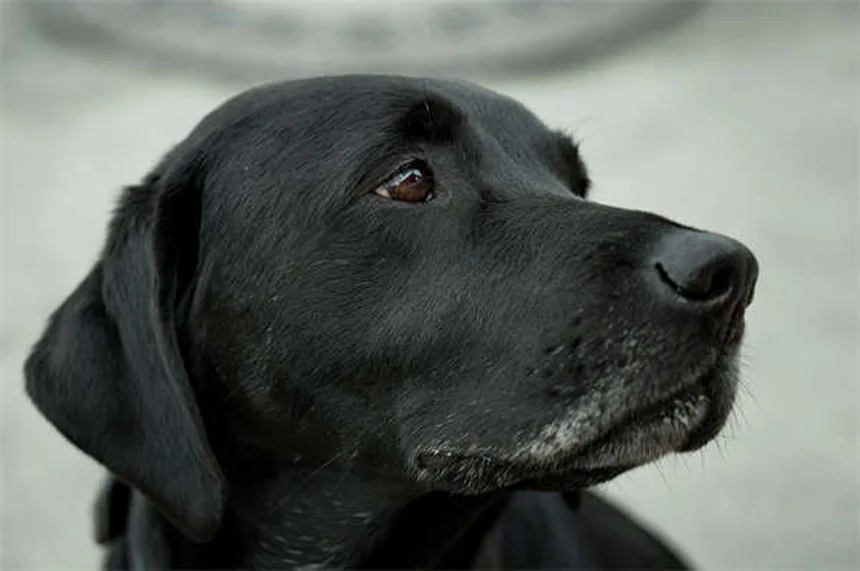 Photos provided by pixabay
Seasonal Changes - Nature's Hair Salon
Twice a year, your dog might decide to redecorate your entire house with their fur. This is completely normal as they prepare for warmer or cooler weather.
In spring, they're basically saying, "Goodbye winter coat!" And in fall, it's more like, "Time to bulk up!" The amount of daylight triggers this natural process, so don't be surprised if your pup starts shedding just as the days get longer or shorter.
Diet Matters More Than You Think
Here's a fun fact: cheap dog food might actually cost you more in vacuum bags. Poor nutrition is the #1 cause of excessive shedding according to vets.
Think about it - would you expect to have healthy hair if you only ate ramen noodles? Your dog needs quality protein and nutrients for a shiny coat. Look for foods that meet AAFCO standards and match your dog's age and activity level.
When Shedding Signals Trouble
Allergies and Skin Issues
Is your dog scratching more than usual? This could mean allergies - either to their food or something in the environment. The constant scratching leads to more hair loss, creating a vicious cycle.
Funny story - my cousin's dog started shedding like crazy after they moved. Turns out he was allergic to the new carpet! Sometimes the cause isn't what you'd expect.
 Photos provided by pixabay
Seasonal Changes - Nature's Hair Salon
Did you know dogs can literally shed their worries? Stress causes a hormone release that can lead to excessive shedding. Common stressors include:
- New family members (human or furry)
- Loud noises like thunderstorms
- Changes in routine
Ever notice how your dog sheds more at the vet? That's the "Oh no, not the thermometer again!" effect in action.
Grooming Mistakes That Make Shedding Worse
The Wrong Shampoo Disaster
Using human shampoo on your dog is like washing your car with dish soap - it'll get the job done, but at what cost? Dog skin has a different pH balance, so human products can cause irritation and... you guessed it... more shedding.
Pro tip: Always rinse thoroughly. Leftover shampoo is like leaving soap scum on your shower - nobody wants that!
Brushing - Your Secret Weapon
Here's a question: Why brush a dog that's just going to shed anyway? Because you're removing the dead hair before it ends up on your couch! Regular brushing distributes natural oils and keeps the coat healthy.
Different tools work for different coats. A slicker brush is great for long hair, while a rubber mitt works wonders on short coats. Find what works for your pup and make it a bonding experience.
When to Call the Vet
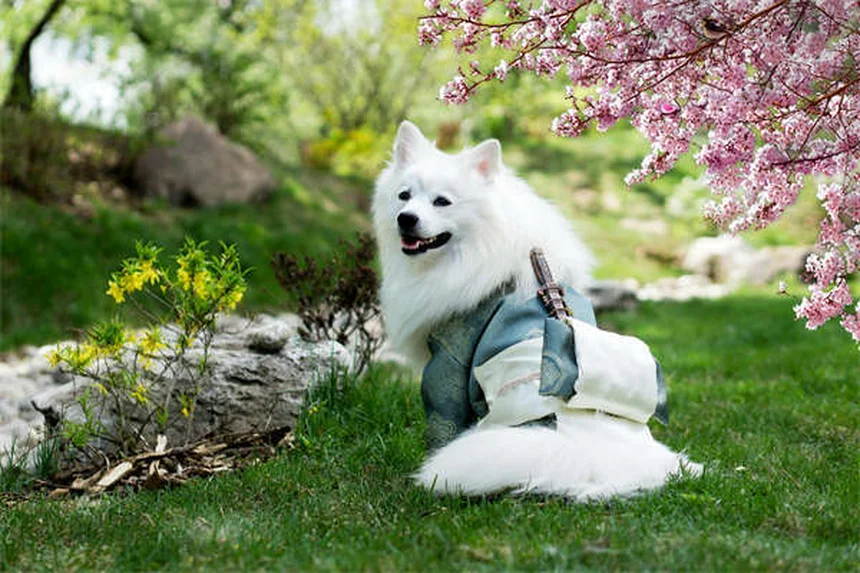 Photos provided by pixabay
Seasonal Changes - Nature's Hair Salon
While some shedding is normal, these signs mean it's time for a professional opinion:
- Bald patches or thinning areas
- Red, inflamed skin
- Excessive scratching or licking
- Changes in appetite or behavior
Remember that time I thought my dog was just shedding seasonally? Turns out he had a thyroid issue. Always better to be safe than sorry!
Parasites - The Unwanted Guests
Fleas and ticks don't just make your dog itch - they can cause serious skin problems leading to hair loss. Year-round prevention is key, even for indoor dogs.
Here's something scary: those pests can hitch a ride on your clothes! That's why all pets in the household need protection, even if they never go outside.
Managing Shedding Like a Pro
Create a Shedding Routine
Consistency is key when dealing with dog hair. Try this schedule:
- Daily: Quick brush to remove loose hair
- Weekly: Thorough brushing session
- Monthly: Bath with dog-specific shampoo
Bonus: All this grooming means more bonding time with your furry friend. Who doesn't love that?
Your Home Defense Strategy
Let's face it - you'll never win the war against dog hair completely. But you can minimize the damage with these tactics:
- Use washable throws on furniture
- Invest in a robot vacuum
- Keep lint rollers in every room
My personal favorite trick? Training my dog to sit on a specific mat when he's shedding heavily. It doesn't catch all the hair, but it helps contain the mess!
Final Thoughts on Fur Management
Accepting the Inevitable
At the end of the day, shedding is part of dog ownership. Some breeds will always leave their mark (literally) on your home and clothes.
But here's the thing - that hair is a small price to pay for all the love and joy our dogs bring. And honestly, after a while, you stop noticing the hair everywhere. Mostly.
When in Doubt, Ask
Still worried about your dog's shedding? There's no shame in asking your vet. They've seen it all and can help determine if what you're seeing is normal or needs attention.
After all, we dog lovers stick together - even if we're all covered in fur!
The Science Behind Dog Shedding
How Hair Growth Cycles Work
You know how your hair grows, right? Well, dog fur operates on a completely different schedule. While humans lose about 50-100 hairs daily, dogs have what we call "compound follicles" - meaning multiple hairs grow from a single pore. Crazy, huh?
Here's the fascinating part: dogs have three distinct hair growth phases. The anagen phase is when hair actively grows, the catagen phase is a transitional period, and the telogen phase is when hair rests before falling out. Different breeds spend different amounts of time in each phase, which explains why some dogs seem to shed year-round while others have seasonal blowouts.
Temperature Regulation Through Fur
Ever notice how your dog's shedding seems worse when the weather changes? That's not just coincidence - it's brilliant biological engineering! Dogs don't sweat like we do, so their fur acts as both insulation and cooling system.
In winter, they grow a thick undercoat that traps warm air close to their skin. Come spring, they shed this layer to prevent overheating. Some northern breeds like Huskies have such efficient systems that they can regulate their body temperature in extremes from -60°F to 100°F. Now that's what I call built-in climate control!
Breed-Specific Grooming Secrets
Double-Coated Dogs Need Special Care
If you've got a Golden Retriever or German Shepherd, listen up! These double-coated breeds have a topcoat of guard hairs and a soft undercoat. The biggest mistake owners make? Shaving them in summer!
Here's why that's bad: the undercoat actually helps keep them cool by insulating against heat. Shaving removes this natural protection and can permanently damage their coat. Instead, invest in an undercoat rake - it's like a magic wand for removing loose fur without harming the healthy coat.
Short-Haired Breed Surprises
Don't let their sleek appearance fool you - breeds like Boxers and Beagles shed just as much as their fluffier cousins. The difference? Their hair is stiffer and more noticeable when it embeds itself in your furniture.
The secret weapon for these guys? A rubber curry brush. The nubs grab all those tiny hairs that regular brushes miss, and most dogs love the massage-like feeling. Pro tip: brush in circular motions to really get down to the skin where all the loose hair hides.
Nutrition Deep Dive
Essential Fatty Acids - The Coat Superfood
You've probably heard omega-3s are good for your dog's coat, but do you know why? These fatty acids reduce inflammation in hair follicles and help produce natural oils that keep skin hydrated. The result? Less shedding and a shinier coat.
Great sources include salmon oil, flaxseed, and even some algae supplements. But here's the kicker - these need to be fresh to work properly. That bottle that's been in your pantry for six months? Probably lost most of its benefits. Store supplements in the fridge and check expiration dates!
Protein Quality Matters More Than Quantity
All dog foods list protein percentages, but the source makes a huge difference. Chicken meal might sound good, but fresh chicken or turkey provides more bioavailable nutrients for coat health.
Ever read a dog food label and seen "animal digest"? That's basically mystery meat soup - not exactly premium coat fuel. Look for specific named proteins (like "beef" not "meat") in the first few ingredients. Your dog's fur (and your vacuum) will thank you!
Environmental Factors You Might Miss
Indoor Heating and Dry Air
Here's something most owners don't consider - your cozy winter home might be causing extra shedding! Central heating creates desert-like dryness that dehydrates your dog's skin, leading to more hair loss.
Simple solutions? Add a humidifier near your dog's favorite sleeping spot, or place bowls of water near radiators to add moisture to the air. You'll notice the difference in both your dog's coat and your own skin!
Chemical Irritants in Your Home
That "fresh linen" scented carpet cleaner or plug-in air freshener could be triggering your dog's shedding. Dogs have sensitive noses and skin that react to many common household chemicals.
Try this experiment: switch to unscented, pet-safe cleaning products for a month and see if you notice less fur around the house. Many clients report dramatic improvements just from this simple change!
Advanced Grooming Techniques
The Power of the High-Velocity Dryer
Professional groomers have a secret weapon you can use at home - high-velocity dryers. These aren't your average hair dryers; they blow water and loose hair right out of the coat with incredible efficiency.
After bathing, use one of these on your dog (starting with low setting to acclimate them) and you'll be amazed at the hair cloud that appears. It's like magic - except it's just really smart physics! Bonus: most dogs love the sensation once they get used to it.
Deshedding Tools Compared
With so many tools on the market, how do you choose? Here's a quick comparison of the most popular options:
| Tool Type | Best For | Frequency |
|---|---|---|
| Slicker Brush | Long-haired breeds | Daily |
| Undercoat Rake | Double-coated breeds | Weekly |
| Rubber Curry | Short-haired breeds | Every Other Day |
| Grooming Glove | Dogs who dislike brushes | Daily |
Remember: the best tool is the one your dog tolerates and you'll actually use consistently!
Psychological Benefits of Grooming
Bonding Through Brushing
Here's a heartwarming fact: regular grooming sessions can actually strengthen your relationship with your dog. The repetitive motion is calming, and the physical contact releases oxytocin (the "love hormone") in both of you.
Make it extra special by keeping treats nearby and giving plenty of praise. Over time, most dogs begin to see grooming as quality time rather than a chore. My Labrador actually brings me his brush when he wants attention!
Stress Reduction for Anxious Dogs
For nervous pups, a gentle brushing session can work wonders. The rhythmic strokes mimic the comforting licks they received from their mother as puppies.
Try this: pair grooming with other relaxing activities like soft music or aromatherapy (lavender is great for dogs). You might find it becomes your dog's favorite part of the day - and yours too when you see how much less fur ends up around the house!
E.g. :Excessive Shedding in Dogs: Why Is My Dog Shedding So Much ...
FAQs
Q: How can I tell if my dog's shedding is normal?
A: Normal shedding follows predictable patterns based on breed and season. If your Lab leaves tumbleweeds of fur but has healthy skin and consistent shedding amounts, that's probably normal. Warning signs include sudden increases in shedding, bald patches, or skin irritation. I always tell my friends to take "before" photos when they get a new dog - that way you'll know what's normal for your pup. Heavy shedders like Huskies will always leave more hair around than, say, a Poodle, but drastic changes should raise concerns.
Q: What's the best way to reduce dog shedding at home?
A: The three key weapons against excessive shedding are proper nutrition, regular brushing, and the right bathing routine. I swear by my FURminator brush - it removes up to 90% of loose hair before it hits your furniture. Feed a high-quality diet (look for AAFCO approval) and bathe monthly with dog-specific shampoo. My pro tip? Keep a rubber grooming mitt by the couch for quick petting sessions that double as fur removal. Just don't make my mistake of using human shampoo - that one cost me a month's worth of vacuum bags!
Q: Do certain dog foods help with shedding?
A: Absolutely! Foods rich in omega-3 fatty acids can work wonders for your dog's coat. After switching my German Shepherd to a salmon-based diet, I noticed less hair on my clothes within weeks. Look for foods containing fish oil, flaxseed, or vitamin E. But beware - sudden diet changes can actually cause temporary shedding, so transition slowly over 7-10 days. My vet recommends sticking with one quality food rather than constantly switching brands. Remember, cheap food often leads to expensive vacuum cleaners!
Q: How often should I bathe my shedding dog?
A: Monthly baths are ideal for most breeds, but heavy shedders might benefit from bi-weekly washes during peak seasons. The trick is using lukewarm water and thoroughly rinsing all shampoo residue - leftover product causes irritation and more shedding! I've found that alternating between a deshedding shampoo and regular dog shampoo gives me the best results. Pro tip from my groomer: Finish with a cool water rinse to close hair follicles and reduce loose hair. Just don't overdo it - too many baths strip natural oils that protect your dog's skin and coat.
Q: When should I worry about my dog's shedding?
A: Red flags include excessive scratching, visible skin irritation, or sudden changes in shedding patterns. If your dog develops bald patches or their skin looks flaky/red, schedule a vet visit immediately. I learned this the hard way when my terrier's "normal" shedding turned out to be a thyroid issue. Other warning signs include lethargy, weight changes, or excessive thirst accompanying the hair loss. When in doubt, snap some photos and email your vet - most are happy to advise whether an exam is needed. Remember, it's always better to be the overly cautious pet parent than to miss something serious!