
Is your dog ready for public events? The answer is: it depends entirely on your pup's personality and your preparation! As a dog owner myself, I know how tempting it is to bring our furry friends everywhere - but public events can be overwhelming for many dogs. Dr. Jeff Werber puts it perfectly: The most important thing is that the dog is okay with people and with other dogs. If your dog gets nervous around crowds or unfamiliar animals, they'll be much happier staying home. But if you've got a social butterfly on your hands, follow our 5 essential safety tips to make sure your festival experience is fun for everyone!
E.g. :How to Find the Best Veterinarian Near You: 5 Expert Tips
- 1、Is Your Dog Ready for Public Events?
- 2、Traveling Safely to Events
- 3、Heat Safety at Outdoor Events
- 4、Controlling Your Dog in Crowds
- 5、Noise and Crowd Considerations
- 6、Food Safety at Public Events
- 7、Emergency Preparedness
- 8、Beyond the Basics: Advanced Event Prep
- 9、Event-Specific Considerations
- 10、The Human Factor
- 11、Post-Event Recovery
- 12、FAQs
Is Your Dog Ready for Public Events?
Know Your Dog's Personality
Let's be honest - we all want to show off our furry friends at public events. But is your dog actually enjoying this experience? I've seen too many stressed-out pups at festivals who clearly would rather be napping at home.
Dr. Jeff Werber makes an excellent point: "Taking your dog to a street festival is similar to taking them to a dog park." The key factor? Your dog's comfort level with crowds and other animals. Some dogs thrive in busy environments, while others find them overwhelming.
Preparation is Key
Before heading out, ask yourself these questions:
- Does my dog get nervous around strangers?
- How does my dog react to loud noises?
- Can my dog handle long periods of activity?
Remember, just because you love festivals doesn't mean your dog shares your enthusiasm. Their safety and comfort should always come first.
Traveling Safely to Events
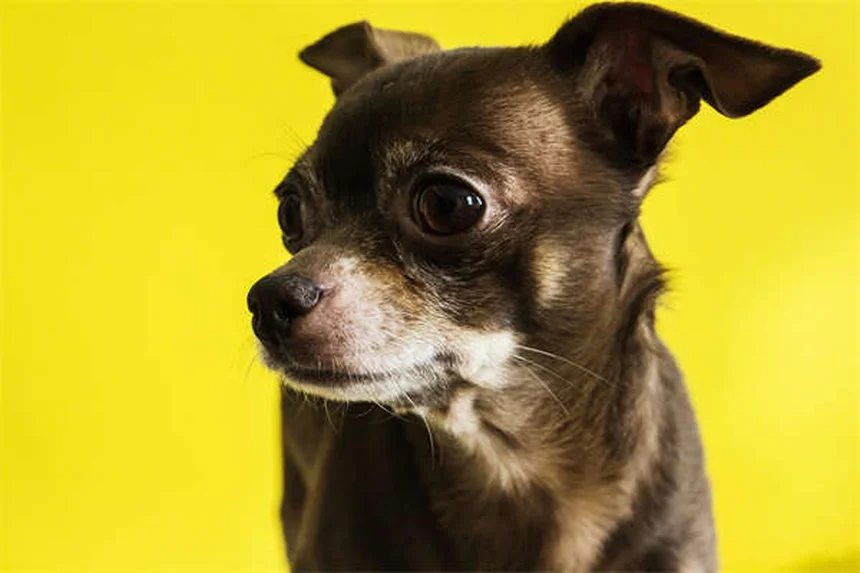 Photos provided by pixabay
Secure Your Dog Properly
Did you know that unrestrained pets cause over 30,000 car accidents annually in the U.S.? Amy Burkert, the road trip expert, puts it bluntly: "It's terrifying how few people buckle up their pets."
Here's a quick comparison of pet restraint options:
| Option | Safety Level | Convenience |
|---|---|---|
| Car Seat | High | Medium |
| Harness | Medium | High |
| No Restraint | Dangerous | None |
Prevent Escapes
"Having them buckled up ensures they don't jump out when you stop," says Burkert. I've heard too many horror stories about dogs bolting into traffic at red lights. Don't let your pup become another statistic!
Heat Safety at Outdoor Events
Test the Ground Temperature
Would you walk barefoot on hot pavement? Probably not - and neither should your dog! Dr. Werber suggests a simple test: place your hand on the ground for 7 seconds. If it's uncomfortable for you, it's dangerous for your pup.
Here's a shocking fact: pavement can reach 140°F when air temperatures are just 85°F. That's hot enough to fry an egg - and definitely hot enough to burn paw pads!
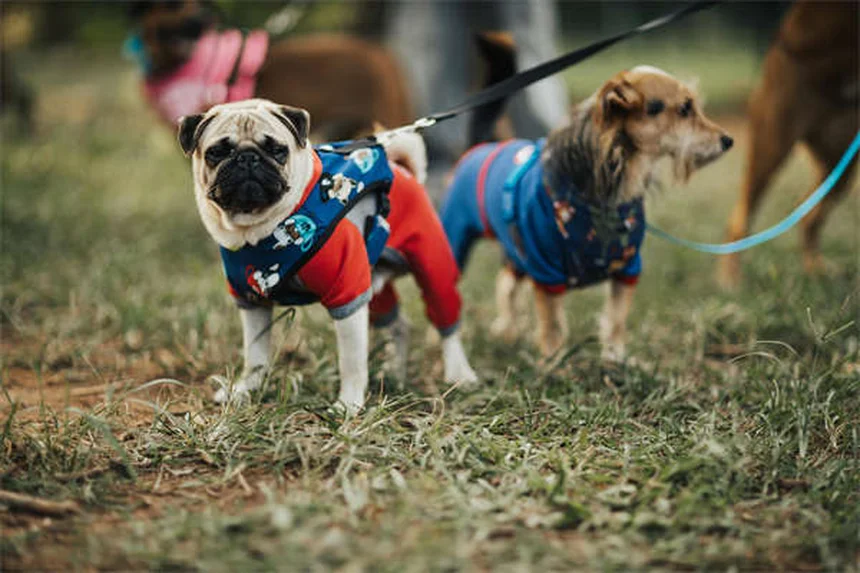 Photos provided by pixabay
Secure Your Dog Properly
I can't stress this enough: bring plenty of water and create shade for your dog. At last year's beach festival, I counted 15 dogs without any shade protection. Don't be that owner!
Signs your dog is overheating:
- Excessive panting
- Bright red gums
- Lethargy
- Drooling
Controlling Your Dog in Crowds
Proper Identification
Dr. Carol Osborne makes an excellent point: "Always have up-to-date ID tags." In crowded events, it's surprisingly easy to get separated from your pet. Modern solutions like GPS trackers can be lifesavers.
Consider these identification options:
- Traditional ID tags
- Microchips
- GPS collars
- Temporary event tags
Leash Choices Matter
Retractable leashes might seem convenient, but they're disasters waiting to happen in crowds. I've seen dogs get tangled around strollers, tables, and even other people's legs!
Opt for a standard 4-6 foot leash instead. You'll have better control, and your dog will feel more secure staying close to you in unfamiliar environments.
Noise and Crowd Considerations
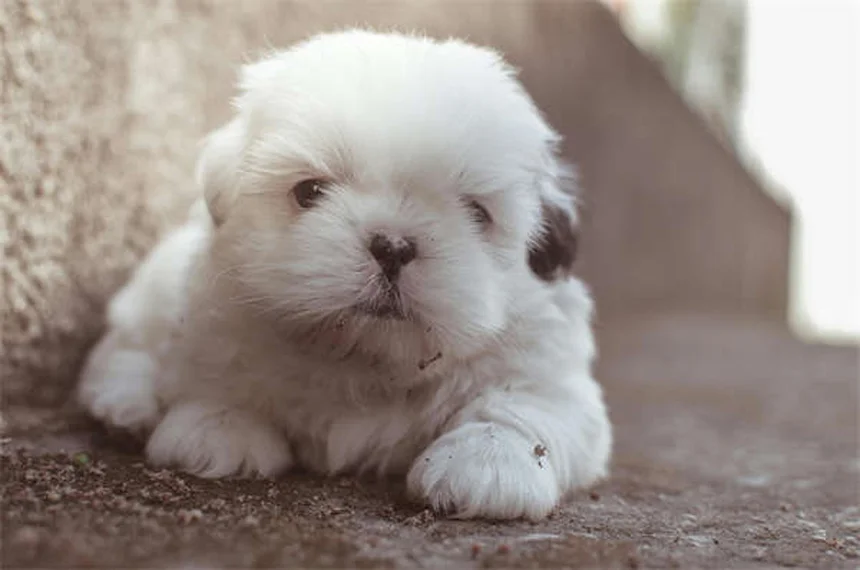 Photos provided by pixabay
Secure Your Dog Properly
Russell Hartstein doesn't mince words: "No dog loves parades." The combination of loud noises, crowds, and unpredictable movements can overwhelm even the most social dogs.
If you must bring your dog to noisy events, consider these calming aids:
- ThunderShirts
- Calming treats
- Classical music
- Quiet retreat areas
Reading Your Dog's Signals
Watch for these stress signs:
- Tail tucked between legs
- Ears pinned back
- Excessive yawning
- Attempts to hide
If you notice these behaviors, it's time to leave. Your dog will thank you!
Food Safety at Public Events
Barbecue Dangers
Dr. Osborne warns: "The combination of foods, beverages and grills can prove unsafe or deadly." I once saw a Labrador steal an entire skewer of grilled meat - kabob stick and all!
Common hazards to watch for:
- Alcohol (even small amounts can be toxic)
- Grill tools and accessories
- Food scraps on the ground
- Chocolate desserts
Stick to Dog-Friendly Treats
Bring your dog's regular food and treats to avoid digestive issues. That barbecue might smell amazing, but it could land your pup in the emergency vet with pancreatitis.
Remember: when in doubt, leave your dog at home. They'll be happier - and safer - relaxing in their familiar environment while you enjoy the event.
Emergency Preparedness
First Aid Kit Essentials
Don't leave home without these basics:
- Bandages
- Antiseptic wipes
- Tweezers (for removing splinters)
- Emergency vet contact info
Know the Nearest Vet
Before attending any event, locate the nearest emergency veterinary clinic. I learned this the hard way when my dog ate something questionable at a food festival!
With proper preparation and awareness, you and your dog can safely enjoy public events together. Just remember - their comfort and safety should always come before our desire to include them in our activities.
Beyond the Basics: Advanced Event Prep
Socialization Boot Camp
You might think your dog is social because they wag their tail at the mailman, but how would they handle hundreds of strangers in costumes? I once saw a golden retriever lose it when confronted with a group of mascots - turns out giant cartoon heads weren't in his socialization plan!
Start small with controlled exposures. Take your dog to quiet outdoor cafes before attempting music festivals. Gradually increase crowd density over several weeks. Pro tip: Practice at pet-friendly stores during off-peak hours first.
The Power of Positive Associations
Create happy memories around event-like stimuli. Play recordings of crowd noises at home while giving belly rubs. Walk past street performers while doling out high-value treats. Soon your dog will think "Yay! Weird noises mean chicken!"
Here's what worked for my anxious poodle mix:
| Stimulus | Training Method | Progress Timeline |
|---|---|---|
| Loudspeakers | Treats + gradual volume increase | 3 weeks |
| Costumes | Friends in silly hats giving chicken | 6 weeks |
| Crowds | Short visits to farmer's markets | 2 months |
Event-Specific Considerations
Music Festivals vs. Street Fairs
Not all events are created equal! The constant bass thump at concerts affects dogs differently than the stop-and-go chaos of art walks. Breed matters too - those floppy-eared basset hounds might tolerate noise better than pointy-eared shepherds.
Bring ear protection for sound-sensitive pups. Yes, they make noise-canceling dog headphones that look absolutely ridiculous but work wonders. My neighbor's border collie now associates his purple earmuffs with steak bites.
Seasonal Event Challenges
Winter holiday markets bring unique hazards - from spilled hot chocolate to tinsel-eating risks. Summer events mean hydration stations every 20 minutes. And don't get me started on Halloween when every bush seems to contain a jumping teenager in a mask!
Pack season-specific supplies:
- Insulated water bottles (summer)
- Paw wax (winter salt protection)
- Glow-in-the-dark collar (night events)
- Costume-free zones (Halloween)
The Human Factor
Managing Well-Meaning Strangers
Why do people think it's okay to feed random dogs? I've developed a polite but firm script: "Thanks for loving dogs! Actually, he's on a special diet - but you can give him this approved treat instead!" Always carry "shareable" treats to redirect good intentions.
Teach your dog a "middle" position between your legs for when crowds get overwhelming. This creates a safe bubble and signals to others that your pup needs space. Bonus: it looks incredibly well-trained when executed properly!
The Buddy System
Everything's easier with a human helper. While you wait in line for tacos, your friend can walk Fido away from the noise. Trade off bathroom breaks. Have a code word for "this is too much - time to go." My husband and I use "pineapple" when our corgi starts giving us the "I hate this" side-eye.
Consider these division-of-labor strategies:
- One handles crowds while the other scouts quiet zones
- Alternate who carries the heavy water bottle
- Pre-assign who's responsible for poop bags (romantic, I know)
Post-Event Recovery
The Afterparty No One Talks About
Your dog might seem fine during the event, then crash hard at home. I call this the "puppy hangover" - when all that stimulation finally catches up. Expect extra napping, maybe some digestive issues, and definitely some "why did you do this to me?" stares.
Create a recovery routine:
- Quiet time in their favorite spot
- Gentle massage if they're stiff
- Familiar foods to settle their stomach
- Next day off from training or dog parks
Learning From Each Experience
Keep notes! What worked? What bombed? My "festival journal" revealed that my dog actually loves street performers but hates balloon artists. Now we avoid the clown district entirely. Track your dog's reactions to different stimuli - you might discover surprising preferences.
Remember: every dog has different tolerance levels. My sister's lab could party for 12 hours straight, while my friend's shih tzu maxes out at 45 minutes. There's no shame in shorter outings - it's about quality, not endurance!
E.g. :Pet Safety Tips for Public Events | PetMD
FAQs
Q: How can I tell if my dog is comfortable at public events?
A: Watch your dog's body language closely! I always look for these positive signs: relaxed posture, normal breathing (not panting excessively), and willingness to interact with people. But if you see tail tucking, ears back, yawning, or attempts to hide, your dog is telling you they're stressed. Remember - just because they're not growling or biting doesn't mean they're enjoying themselves. Some dogs will tolerate stressful situations but aren't actually having fun. When in doubt, err on the side of caution and head home early.
Q: What's the safest way to transport my dog to public events?
A: Buckle up your pup! As road trip expert Amy Burkert says, "It's terrifying how few people secure their pets in vehicles." I recommend using a crash-tested dog car seat or harness system - it prevents driver distraction and protects your dog in case of sudden stops. Pro tip: practice short trips first so your dog gets comfortable with the restraint system. And never leave your dog alone in a hot car, even for "just a minute" - temperatures can become deadly frighteningly fast!
Q: How do I protect my dog from hot pavement at outdoor events?
A: Here's my simple test: place your bare hand on the ground for 7 seconds. If it's too hot for you, it's too hot for your dog's paws! I always carry dog booties in my event bag just in case. Other must-haves: a collapsible water bowl, plenty of fresh water, and a portable shade canopy. Remember - dogs can't sweat like we do, so they overheat much faster. If you see excessive panting or bright red gums, get your pup to a cool area immediately!
Q: What type of leash is best for crowded public events?
A: Ditch the retractable leash! I've seen too many accidents with those in crowds. Instead, use a standard 4-6 foot leash that gives you better control. Make sure your dog's collar fits properly (you should be able to fit two fingers underneath) and has current ID tags. For extra security, I recommend microchipping your dog and considering a GPS tracker collar if you'll be in very large crowds. These precautions give you peace of mind in case you get separated!
Q: What human foods are dangerous for dogs at public events?
A: Oh boy, where do I start? As Dr. Carol Osborne warns, barbecue foods can be especially risky. The big no-nos include: alcohol (even small amounts), chocolate, grapes/raisins, onions, and foods with bones. I always bring my dog's regular treats to events - it prevents begging and keeps their stomach happy. Pro tip: watch for dropped food on the ground too! Last summer, my dog snatched a chicken bone before I could stop him. A quick emergency vet visit taught me to be extra vigilant about scanning the area constantly.