
How do you bond with your dog? The answer is: Bonding goes way beyond just loving your furry friend! While love happens naturally when those puppy eyes melt your heart, true bonding requires intentional effort from both of you. I've seen countless dog owners make this mistake - they shower their pups with affection but wonder why Fido still ignores commands at the dog park. The secret? A strong dog-human bond is built on mutual trust and respect, not just cuddles. In this guide, we'll show you exactly how to transform that love into an unbreakable connection through simple daily activities that actually work. Whether you've got a new puppy or a senior dog, these bonding techniques will take your relationship to the next level!
E.g. :Pet Dental Insurance: Protect Your Furry Friend's Smile & Save Money
- 1、Love vs Bond: What's the Real Difference?
- 2、Fun Training That Actually Works
- 3、The Power of Positive Reinforcement
- 4、Playtime That Bonds
- 5、Keep Them Guessing
- 6、Real-Life Bonding Success Stories
- 7、Your Bonding Action Plan
- 8、The Science Behind Dog-Human Connections
- 9、Beyond Basic Training
- 10、Food - The Universal Love Language
- 11、Understanding Canine Communication
- 12、Adventure Buddies
- 13、Technology-Assisted Bonding
- 14、FAQs
Love vs Bond: What's the Real Difference?
Love Happens Naturally
You know that warm fuzzy feeling when your dog greets you at the door? That's love in its purest form! Dogs show love through tail wags, happy dances, and those adorable puppy eyes. It's like they've got their own love language - no training required.
But here's something interesting - did you know dogs release oxytocin (the "love hormone") when they interact with their favorite humans? That's why your pup wants to cuddle during movie night. Love is automatic, but bonding? That takes work from both of you. Think of love as the foundation and bonding as the beautiful house you build together.
Bonding is Built on Trust
While love is about feelings, bonding is about actions. A strong bond means your dog chooses to listen even when squirrels are involved! It's what keeps Fido from bolting when the door accidentally stays open.
Here's a quick comparison to show the difference:
| Love | Bond |
|---|---|
| Automatic affection | Earned trust |
| Present from day one | Develops over time |
| Emotional connection | Practical partnership |
Fun Training That Actually Works
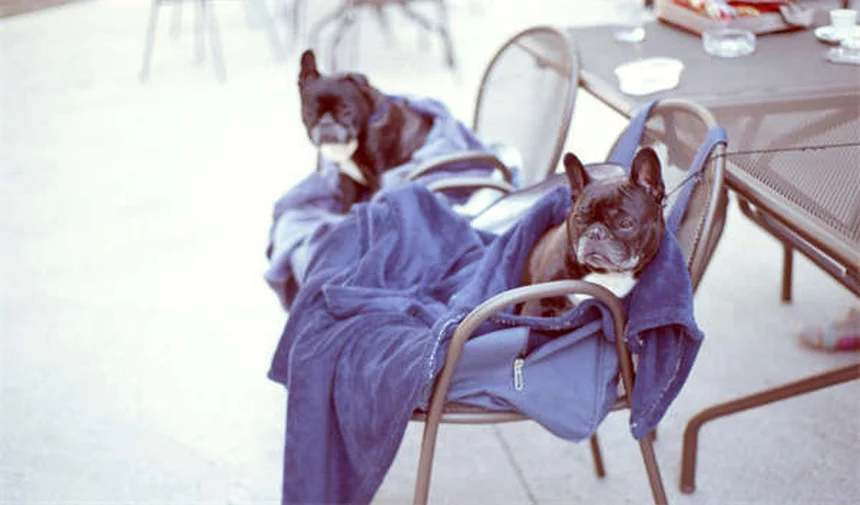 Photos provided by pixabay
Basic Commands Are Just the Start
"Sit" and "stay" are great, but have you tried teaching your dog to high-five? Trick training is like the dessert of dog training - fun, rewarding, and something you both look forward to.
I'll never forget when my Labrador finally nailed "roll over" after weeks of practice. The celebration that followed could've woken the neighbors! These silly tricks give your dog mental exercise while strengthening your connection. Plus, it's hilarious to watch your 80-pound dog attempt to "play dead".
Make Learning a Game
Why does training often feel like work? Flip the script and turn it into playtime! Instead of formal sessions, try:
- Practicing "spin" while waiting for dinner
- Working on "speak" during commercial breaks
- Using treats hidden around the house as a training scavenger hunt
The Power of Positive Reinforcement
Praise Like You Mean It
When was the last time you genuinely celebrated your dog's good choices? Dogs thrive on positive feedback more than treats sometimes. That happy voice you use? They understand every bit of it.
Here's a challenge: For one day, praise your dog for every single good behavior you notice. Potty outside? "Good job!" Walk nicely? "What a superstar!" You'll be amazed how quickly this simple habit improves your connection.
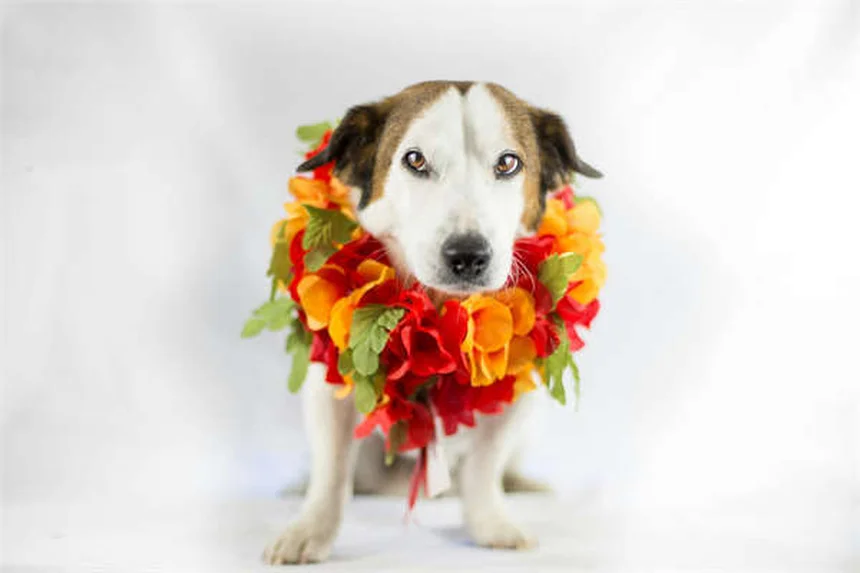 Photos provided by pixabay
Basic Commands Are Just the Start
Ever wonder why some praise works better than others? The magic happens in the first 3 seconds after the behavior. Miss that window, and your dog might not connect the dots.
Pro tip: Keep a stash of small treats in every room. When you catch your dog being awesome, you're ready to reward immediately. No more frantic searches while the moment passes!
Playtime That Bonds
Quality Over Quantity
You could throw a ball for hours, but 10 minutes of engaged play beats 60 minutes of going through the motions. Put your phone away, get on the floor, and be present. Your dog notices when you're really "there".
Remember that viral video of the golden retriever who invented his own game? That's the spirit! When play comes from both of you, it becomes bonding gold.
Creative Game Ideas
Tired of fetch? Try these:
- Hide-and-seek with treats (start easy, then increase difficulty)
- "Find it" games with favorite toys
- Obstacle courses using household items
- Interactive puzzle toys you solve together
Keep Them Guessing
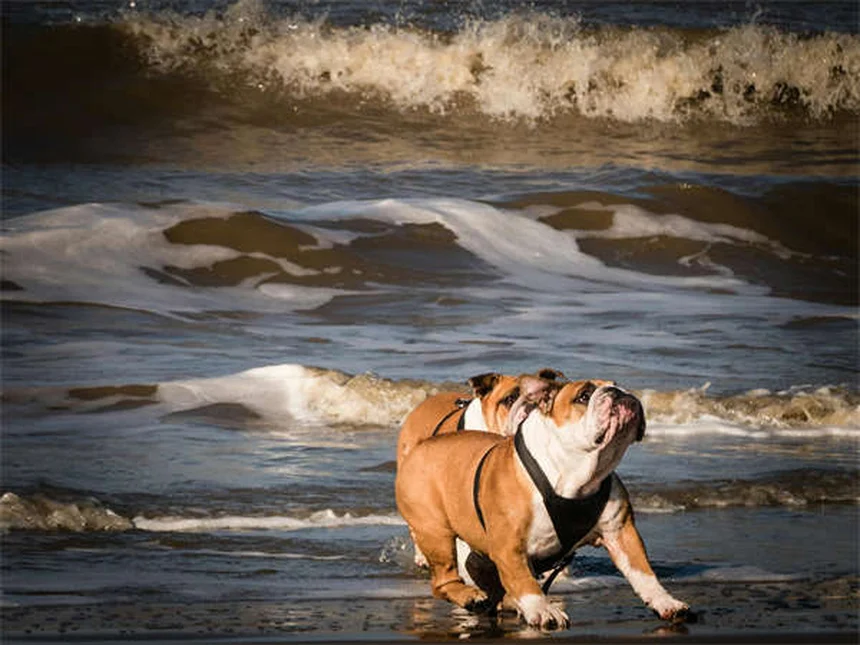 Photos provided by pixabay
Basic Commands Are Just the Start
Dogs love predictability, but occasional surprises make you more interesting. Take different walking routes, change up treat flavors, or rearrange your play routine. These small changes keep your dog tuned into you.
Last Tuesday, I took my dog to a new park instead of our usual route. You'd think I gave him a million treats from how excited he was! Novelty triggers dopamine - the "feel good" chemical - making these moments extra special.
The Element of Surprise
Does your dog always get dinner at 6 PM? Try serving it in a puzzle toy occasionally. Always walk after work? Sometimes go before! These little changes teach your dog to stay engaged with you rather than just the routine.
But here's the key - maintain enough consistency that your dog feels secure, but sprinkle in enough variety to keep things fresh. It's like adding hot fudge to vanilla ice cream - the base stays the same, but the experience gets better!
Real-Life Bonding Success Stories
From Stray to Soulmate
Meet Bailey, a rescue who wouldn't make eye contact when adopted. Through consistent bonding activities, she transformed. Her owner shared: "The day she voluntarily brought me her toy instead of hiding it, I cried. That's when I knew we'd bonded."
The Reactive Pup Who Learned to Trust
Max used to bark at every passing dog. His owner implemented bonding techniques like:
- Daily training games
- Frequent praise for calm behavior
- Varied walking routes
Six months later, Max can walk past other dogs without reacting. His secret? A rock-solid bond with his human.
Your Bonding Action Plan
Start Small, Think Big
Don't overwhelm yourself trying to do everything at once. Pick one new bonding activity this week. Maybe it's learning a new trick or trying a different walking route. Small, consistent efforts yield big results over time.
Track Your Progress
Notice subtle changes in your dog's behavior. More eye contact? Faster responses to commands? These are signs your bond is growing. Celebrate these small victories - they add up!
At the end of the day, bonding isn't about perfection. It's about showing up, being present, and enjoying the journey with your four-legged best friend. Now go give your pup some belly rubs - you've both earned it!
The Science Behind Dog-Human Connections
Oxytocin - The Love Chemical
Did you know when you stare into your dog's eyes, both of you get a chemical boost? Oxytocin levels rise by about 300% during positive interactions, creating that warm "I love my dog" feeling. It's the same hormone that bonds mothers with babies!
Here's something wild - dogs have actually evolved special facial muscles just to communicate with humans. Those puppy-dog eyes aren't accidental - they're a biological love letter to you. Next time your dog gives you "the look", know it's literally changing your brain chemistry.
The Power of Touch
Petting your dog does more than just feel good. Studies show:
- 15 minutes of petting lowers human blood pressure by 10%
- Dogs' heart rates sync with their owners during cuddle sessions
- Therapeutic dogs in hospitals help patients heal faster
Ever notice how your dog leans into your hand when you scratch that perfect spot? That's not just enjoyment - it's trust and connection being reinforced through physical contact.
Beyond Basic Training
Canine Sports for Bonding
Looking to take your bond to the next level? Try these exciting activities:
| Activity | Bonding Benefit | Fun Factor |
|---|---|---|
| Agility Training | Builds communication & trust | 10/10 - You'll both be grinning |
| Nose Work | Develops teamwork skills | 9/10 - Like playing detective |
| Dock Diving | Creates shared excitement | 11/10 - Splash-tastic fun |
I tried agility with my terrier mix last summer - watching her little legs fly over jumps while she checked in with me for guidance was pure magic. These sports turn you into an unbeatable team.
Therapy Dog Training
Want to bond while helping others? Therapy dog certification requires:
- Advanced obedience skills
- Calmness in new environments
- Perfect manners around strangers
Working toward this goal together creates an incredible partnership. Plus, there's nothing like seeing your dog brighten someone's day to make your heart burst with pride.
Food - The Universal Love Language
Interactive Feeding Games
Why serve dinner in a boring bowl when you can make it a bonding experience? Try these ideas:
- Scatter kibble in grass for a natural "foraging" session
- Use puzzle feeders that require teamwork
- Practice obedience commands between bites
My personal favorite? The "muffin tin game" - hide treats under tennis balls in a muffin pan and watch your dog problem-solve. Mealtime becomes brain time and bonding time rolled into one.
Homemade Treats Together
Ever baked dog treats with your pup "helping"? The mess is half the fun! Simple recipes like:
- Peanut butter banana bites
- Pumpkin oat cookies
- Sweet potato chews
Not only do you bond during preparation, but every time your dog enjoys the treats later, they associate that happiness with you. It's like edible love notes!
Understanding Canine Communication
Reading Subtle Body Language
Did you know when your dog licks their nose or yawns, they might be stressed? Learning these signals helps you respond to your dog's needs before problems arise.
Here's a quick guide to common signals:
| Signal | Meaning | Your Response |
|---|---|---|
| Slow tail wag | Unsure/curious | Offer reassurance |
| Whale eye (showing whites) | Anxious | Remove stressor |
| Play bow | Let's have fun! | Engage in play |
The better you understand your dog's "language", the stronger your bond becomes. It's like learning to dance together - eventually, you move in perfect harmony.
Speaking Dog
Want to really connect? Try mimicking some dog body language:
- Blink slowly to show relaxation
- Turn sideways when approaching (less threatening)
- Yawn to communicate calmness
My golden retriever gives me the funniest head tilt when I "talk" to him this way. It's our special communication style that makes our bond unique.
Adventure Buddies
Exploring New Places Together
Does your dog get extra excited when you grab the car keys? Novel experiences create powerful shared memories. Try these adventure ideas:
- Dog-friendly hiking trails
- Patio dining at pet-welcoming restaurants
- Road trips to new dog parks
Last fall, I took my pup to a pumpkin patch that allowed dogs. Watching her sniff every gourd with such seriousness while kids laughed at her curiosity created a core memory for us both.
Camping With Your Canine
Nothing bonds you like surviving (comfortably) in the wilderness together! Essential tips:
- Bring familiar bedding for comfort
- Practice "leave it" with wildlife
- Pack extra towels for post-swim cleanup
Waking up to your dog snuggled close in a tent as the sun rises? Priceless bonding moments money can't buy.
Technology-Assisted Bonding
Interactive Dog Cameras
Missing your pup at work? Modern pet cameras let you:
- Dispense treats remotely
- Talk to your dog through speakers
- Play games via app controls
My coworker's dog now gets excited hearing phone notifications because he associates them with surprise treats from mom. Distance doesn't have to weaken your connection.
Activity Trackers for Dogs
Ever wonder what your dog does all day? Fitness trackers reveal:
- Sleep patterns (do they nap when you're gone?)
- Activity levels (that 3 PM zoomies session)
- Calorie needs based on actual movement
Understanding your dog's daily rhythms helps you sync your schedules for maximum quality time together. Knowledge is bonding power!
E.g. :Bonding through training! : r/dogs
FAQs
Q: What's the difference between loving my dog and bonding with my dog?
A: Here's the key distinction: Love is that automatic affection your dog shows when you walk in the door - the tail wags, happy dances, and cuddle sessions. Bonding, however, is what happens when you take that love and build trust through shared experiences. Think of it this way - your dog might love pizza, but he bonds with you during training sessions where he earns that pizza! A bonded dog chooses to listen even when distracted, checks in with you at the park, and sees you as his trusted leader. While love is emotional, bonding is practical - it's what makes your relationship functional in everyday situations.
Q: How long does it take to form a strong bond with my dog?
A: The bonding timeline varies, but most dogs show noticeable improvements within 2-4 weeks of consistent bonding activities. Rescue dogs or those with past trauma might take longer - sometimes months. The good news? Every minute you invest pays off! I've seen dramatic changes in as little as 7 days when owners implement our "5-minute daily bonding challenge" (which includes trick training, praise sessions, and surprise playtimes). Remember, bonding isn't a one-time event but an ongoing process. Even after 10 years together, you can still deepen your connection!
Q: Can older dogs still form strong bonds with new owners?
A: Absolutely yes! While puppies are like sponges ready to bond, senior dogs have an incredible capacity for connection too. The secret is adapting your approach. Older dogs often appreciate slower-paced bonding activities like gentle grooming sessions or relaxed "find the treat" games. I worked with a 12-year-old rescue Lab who formed an incredible bond with his new owner through daily massage and short training sessions tailored to his arthritis. Age isn't a barrier - it's just about finding what makes your senior dog's tail wag!
Q: My dog seems indifferent to me - how can I improve our bond?
A: First, don't take it personally! Some dogs (especially certain breeds) are naturally more independent. Try these bonding boosters: 1) Become the treat fairy - randomly reward check-ins throughout the day, 2) Play "the name game" - say your dog's name and toss a treat when he looks, 3) Hand-feed meals during training sessions. I had a client with an aloof Siberian Husky who transformed after they started doing daily nose work games together. Sometimes you just need to speak your dog's "love language"!
Q: Are some dog breeds harder to bond with than others?
A: While all dogs can form strong bonds, some breeds do have independent streaks that require more patience. Working breeds (like Shepherds) often bond deeply through training, while scent hounds (Beagles, Bloodhounds) may need bonding activities that engage their noses. Primitive breeds (Shiba Inus, Basenjis) typically form selective but intense bonds. The key is understanding your dog's instincts - my neighbor's stubborn Afghan Hound became her shadow once they started bonding through lure coursing games. Match the activity to the breed, and you'll see amazing results!