
Do cats need sweaters? The short answer is: most cats don't need sweaters at all. While those adorable kitten-in-knitwear photos flood our social media feeds, veterinary experts like Dr. Susan Sikule from Just Cats Veterinary Clinic confirm that a cat's natural fur coat is perfectly designed for temperature regulation. In fact, putting clothes on your feline friend might do more harm than good - we're talking potential overheating, restricted movement, and unnecessary stress. But before you toss out that cute Halloween costume, there are a few exceptions when sweaters can actually help certain cats. Let's break down when sweater time makes sense (and when it's just for our amusement).
E.g. :5 Essential Guinea Pig Care Tips for Happy, Healthy Pets
- 1、The Great Cat Sweater Debate: Fashion or Function?
- 2、When Sweaters Might Actually Help
- 3、The Art of Sweater Introduction
- 4、Better Alternatives to Cat Sweaters
- 5、Reading Your Cat's Comfort Signals
- 6、The Bottom Line on Cat Fashion
- 7、The Psychology Behind Dressing Pets
- 8、Historical Perspective on Pet Fashion
- 9、Ethical Considerations
- 10、Alternative Ways to Bond With Your Cat
- 11、The Future of Pet Fashion
- 12、FAQs
The Great Cat Sweater Debate: Fashion or Function?
Let's be honest - when you see a cat wearing a tiny sweater, it's impossibly cute. Your Instagram feed probably proves that daily. But here's the real question: Are we dressing up our feline friends for their benefit or just for our amusement?
Why Most Cats Don't Need Sweaters
Dr. Susan Sikule from Just Cats Veterinary Clinic puts it bluntly: "Cats come with built-in fur coats for a reason." Their natural fur does an excellent job regulating body temperature. When we add sweaters, we're essentially putting a winter coat over another winter coat - not exactly comfortable!
Think about it this way: would you wear two heavy jackets in 70-degree weather? Probably not. Cats feel the same discomfort when overdressed. Their bodies are designed to maintain perfect temperature balance, and sweaters can actually cause overheating.
The Hidden Dangers of Feline Fashion
Beyond temperature issues, sweaters can create physical hazards:
- Restricted movement during jumps or climbs
- Potential snagging on furniture or branches
- Risk of entanglement if they try removing it
Cat behavior expert Mieshelle Nagelschneider compares it to those paper bag handle dangers we all know about: "Cats are escape artists - they'll find ways out of sweaters that might accidentally become ways into trouble."
When Sweaters Might Actually Help
Now, before you toss all cat sweaters in the donation bin, there are some legitimate uses:
| Situation | Sweater Benefit |
|---|---|
| Hairless breeds (like Sphynx cats) | Provides necessary warmth |
| Post-surgery recovery | Prevents licking at incisions |
| Senior cats after grooming | Compensates for trimmed fur |
 Photos provided by pixabay
Finding the Right Fit
If you do need to sweater-up your cat, fit is crucial. Too loose? They'll Houdini their way out in seconds. Too tight? You'll have one miserable kitty. Nagelschneider suggests: "Aim for that Goldilocks zone - snug but not restrictive."
Here's a pro tip: watch their ears. If the ears go flat or they start doing that weird "crab walk," the sweater probably isn't working for them. And let's be real - no fashion statement is worth an unhappy cat.
The Art of Sweater Introduction
Ever tried putting clothes on a cat? It's like trying to bathe a tornado. Here's how to make it less traumatic for everyone:
Slow and Steady Wins the Race
Start with short sessions - maybe just 5 minutes while you're playing with their favorite feather toy. Positive associations are key. Did you know playtime actually helps cats adjust to new experiences? When they're in "hunt mode," they're more confident and less focused on the weird fabric clinging to their back.
Gradually increase wear time as they tolerate it. But here's the golden rule: never leave them unsupervised in a sweater. Cats + unattended clothing = potential disaster waiting to happen.
Better Alternatives to Cat Sweaters
Instead of wrestling your cat into knitwear, consider these more cat-friendly options:
Create Cozy Spaces
Cats love warm spots naturally. Try these simple solutions:
- Heated cat beds (set to safe, low temperatures)
- Sunny window perches
- Soft blankets in their favorite hiding spots
Fun fact: The average cat seeks out temperatures between 86-97°F. That's why you'll often find them sprawled in sunbeams like tiny solar panels!
 Photos provided by pixabay
Finding the Right Fit
Here's something many people don't think about: when you go on vacation and turn down the heat, your cat feels it. Nagelschneider emphasizes: "We'd never recommend turning off heat completely in winter - keep it at least at 60°F for your feline roommate."
Reading Your Cat's Comfort Signals
How can you tell if your cat is actually cold? Watch for these signs:
- Trembling or shivering
- "Tight loaf" position (paws tucked tightly underneath)
- Excessive seeking of heat sources
Here's an interesting thought: If you're feeling chilly in your home, your cat probably is too. But remember - their solution shouldn't always be a sweater. Sometimes just turning up the thermostat a few degrees makes everyone happier (and saves you from the "cat wearing clothes" struggle).
The Bottom Line on Cat Fashion
While those holiday-themed cat sweaters make for adorable photos, they're usually more about our enjoyment than our cats' needs. As Nagelschneider puts it: "The sweater just feels unnatural to a cat - it takes time for them to adjust, and many never do."
Instead of forcing fashion on our feline friends, let's focus on creating warm, comfortable environments they can enjoy naturally. After all, a happy cat makes for much better photos than a grumpy one in an ugly Christmas sweater!
P.S. If you absolutely must dress up your cat for that perfect Instagram shot? Keep it brief, make sure they're supervised, and have plenty of treats ready as apology bribes. Your cat will thank you (in their own aloof way).
The Psychology Behind Dressing Pets
Ever wonder why we humans get such joy from seeing animals in clothes? It's not just about keeping them warm - there's actual psychology behind this phenomenon. Researchers at the University of California found that when we see pets dressed up, our brains release oxytocin, the same "love hormone" that bonds parents with babies.
Anthropomorphism Gone Wild
We can't help but project human characteristics onto our pets. That's why you'll see cat owners saying things like "She loves her little sweater!" when in reality, the cat is probably just tolerating it. Our desire to humanize animals often overrides their actual comfort levels.
Remember that viral video of the cat wearing a tuxedo at a wedding? The internet went crazy, but did anyone stop to ask if Mr. Whiskers actually enjoyed being the ring bearer? Probably not. We're too busy imagining what he's "thinking" in that adorable outfit.
The Social Media Effect
Instagram has completely changed the pet clothing game. Did you know the hashtag #catsinclothes has over 2 million posts? That's a lot of feline fashion victims! The pressure to create shareable content makes us forget that most cats would rather nap than model seasonal outfits.
Here's a funny thought: if cats had Instagram accounts, they'd probably post pictures of us wearing ridiculous outfits too. "Look at my human in their 'yoga pants' - so cute when they try to exercise!"
Historical Perspective on Pet Fashion
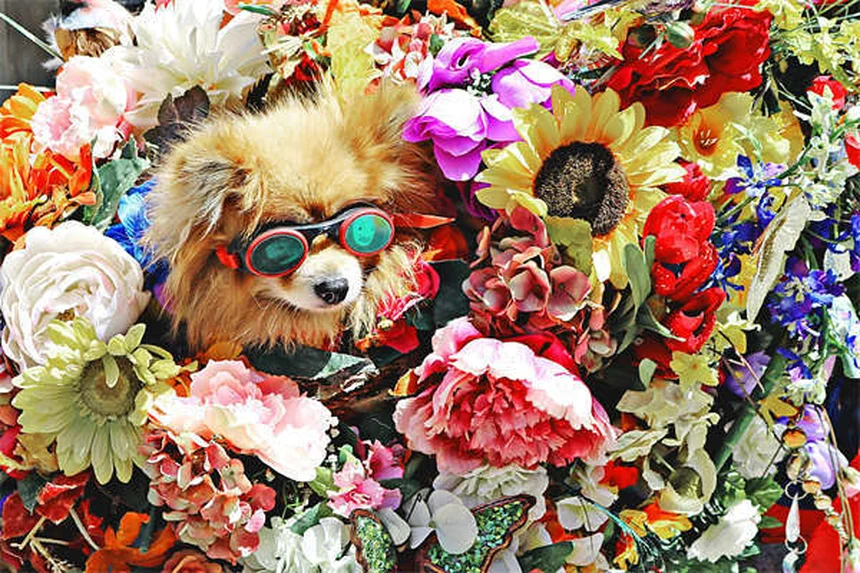
Believe it or not, dressing animals isn't a new trend. Ancient Egyptians were the original pet fashionistas, adorning their revered cats with jeweled collars. Fast forward to Victorian England, where wealthy ladies would dress their pets in miniature versions of human clothing.
 Photos provided by pixabay
Finding the Right Fit
Originally, dog coats served practical purposes for hunting breeds in cold climates. But somewhere along the way, we crossed the line from function to fashion. The modern pet clothing industry is now worth over $5 billion globally - that's a lot of tiny sweaters!
Here's an interesting comparison of pet clothing trends through the decades:
| Decade | Popular Pet Fashion | Purpose |
|---|---|---|
| 1920s | Simple wool coats | Warmth for outdoor dogs |
| 1950s | Handkerchiefs | Decoration |
| 1980s | Neon leg warmers | Fashion statement |
| 2020s | Designer hoodies | Social media content |
Ethical Considerations
Is it fair to dress our pets for our amusement? That's the million-dollar question animal behaviorists are debating. While occasional costume-wearing probably won't harm your pet, making it a regular habit could affect their wellbeing.
Stress Indicators to Watch For
How can you tell if your cat is genuinely stressed by clothing? Look for these subtle signs:
Excessive grooming after removing the outfit is a big red flag. It's their way of "fixing" their fur after we've messed with it. Another telltale sign? If they suddenly become less social or hide more often when dressed up.
Here's something most people don't realize: cats rely heavily on their whiskers for spatial awareness. Tight clothing that presses on their whiskers can actually disorient them. That's why you'll sometimes see dressed-up cats bumping into things - it's not just clumsiness!
Alternative Ways to Bond With Your Cat
Instead of forcing sweaters on your feline friend, try these bonding activities they'll actually enjoy:
Interactive Play Sessions
Nothing beats a good feather wand session. Did you know that just 15 minutes of daily play can significantly improve your cat's mood and health? It's way more effective than any sweater at strengthening your bond.
Here's a pro tip: rotate their toys regularly to keep things interesting. Cats get bored with the same old toys, just like we'd get bored wearing the same outfit every day. Variety is the spice of life - for humans and felines alike!
Grooming as Bonding Time
Most cats love being brushed - it mimics the social grooming they'd do with other cats. Regular brushing sessions not only keep their coat healthy but also provide quality bonding time without the stress of clothing.
Fun fact: the average cat spends about 30-50% of their waking hours grooming themselves. When we help with brushing, we're participating in one of their favorite natural behaviors. That's way more meaningful than forcing them into a Halloween costume!
The Future of Pet Fashion
Where is this trend heading? With advances in pet-friendly fabrics and designs, we might see more comfortable options emerging. But the fundamental question remains: just because we can dress our pets, should we?
Innovations in Animal Comfort
Some companies are developing "smart" pet clothing with temperature regulation and easy-off features. These might bridge the gap between human desire for cute pets and animal comfort needs.
But here's the thing: no matter how advanced the technology gets, we should always prioritize our pets' signals over our aesthetic preferences. After all, they can't verbally tell us when they've had enough of being dressed up!
Changing Social Norms
As we become more aware of animal welfare, pet fashion norms might shift. Maybe future generations will look back at our cat sweaters the way we look at Victorian baby cages - with a mix of horror and amusement.
One thing's for sure: the debate about pet clothing isn't going away anytime soon. But by staying informed and observant of our pets' needs, we can find that sweet spot between fun and function.
E.g. :are cat sweaters okay? : r/CatAdvice
FAQs
Q: Can sweaters make cats overheat?
A: Absolutely - sweaters can definitely cause cats to overheat. Here's why: cats already have a built-in temperature regulation system with their fur. When we add an extra layer, it's like wearing a winter coat over another winter coat on a mild day. Dr. Sikule explains that this interferes with their natural ability to stay comfortable. Unlike humans who sweat to cool down, cats primarily regulate temperature through their ears and paw pads. A sweater covers most of their body, trapping heat where it shouldn't be. Watch for signs like excessive panting or lethargy - these could mean your kitty's too warm in their outfit.
Q: Are there any cats that actually benefit from sweaters?
A: Yes, but only in specific situations. Hairless breeds like Sphynx cats might appreciate some extra warmth, especially in cold climates. Post-surgery cats often wear special recovery suits (similar to sweaters) to prevent them from licking incisions. Elderly cats or those with medical conditions affecting their fur might also need temporary coverage. But here's the key: these are medical or breed-specific needs, not fashion statements. As cat behaviorist Nagelschneider notes, "The sweater just feels unnatural to a cat" - so unless there's a real health reason, skip the knitwear.
Q: How can I tell if my cat is too cold without a sweater?
A: Your cat will show clear signs when they're feeling chilly. Look for trembling, the "tight loaf" position (where they tuck all paws tightly underneath), or constantly seeking warm spots like sunny windows or heat vents. But here's an easier rule: if you're cold in your home, your cat probably is too. Instead of reaching for a sweater, try these cat-approved solutions: provide heated pet beds (set to safe temperatures), keep your thermostat at least at 60°F, or create cozy blanket nests in their favorite spots. Remember - cats naturally seek temperatures between 86-97°F, so they'll find their comfort zone if we give them options.
Q: What's the safest way to introduce a sweater to my cat?
A: Slow and positive is the way to go! Start with very short sessions (like 5 minutes) while distracting your cat with playtime or treats. Use wand toys to activate their hunting instincts - this puts them in a confident mood that can help them ignore the weird fabric feeling. Gradually increase wear time only if your cat seems relaxed. Never force it if they're clearly distressed, and never leave them unsupervised in clothing. Pro tip: watch their ears - flat ears or frantic movements mean "get this thing off me!" And if after several attempts your cat still hates it? Respect their preferences and find other ways to keep them warm.
Q: Are there alternatives to sweaters for keeping cats warm?
A: Plenty of better options exist that don't involve wrestling your cat into clothes! Heated cat beds (specifically designed for pet safety) are fantastic for senior cats or hairless breeds. Create sunny perches near windows where they can soak up natural warmth. During winter, keep your home temperature consistent - don't turn the heat completely off when you're away. For outdoor cats, provide insulated shelters with warm bedding. The best part? These solutions let cats regulate their own comfort naturally, without the stress of wearing clothes. As Nagelschneider wisely says, "We usually say no" to sweaters - and with these alternatives, you can keep your cat cozy while respecting their natural instincts.