
What makes water dogs so special? The answer is simple: these breeds are born swimmers with webbed feet, waterproof coats, and an unshakable love for all things aquatic! From helping fishermen retrieve nets to rescuing drowning sailors, these pups have been humanity's water companions for centuries. Today, they bring that same enthusiasm to family life - whether it's splashing in your pool or joining you at the beach. I've personally seen how a Labrador's entire personality changes when they spot water - it's like watching a kid on Christmas morning! Their natural abilities combined with that infectious joy make them perfect partners for anyone who loves water activities. Let's dive into what makes these breeds truly extraordinary.
E.g. :Dog Heart Attack Symptoms: 5 Warning Signs You Can't Ignore
- 1、What Makes a Water Dog So Special?
- 2、Meet the All-Star Swim Team
- 3、Retrievers - The Swimming Superstars
- 4、European Water Dogs You Should Know
- 5、The Big Boys of Swimming
- 6、Water Safety - Keeping Your Pup Happy and Safe
- 7、Final Splashes
- 8、The Science Behind Water Dogs' Abilities
- 9、Water Sports You Can Enjoy With Your Dog
- 10、Grooming Secrets for Water Dogs
- 11、Nutrition for Active Water Dogs
- 12、Traveling With Your Water Dog
- 13、Water Dogs in Popular Culture
- 14、FAQs
What Makes a Water Dog So Special?
The Ultimate Water-Loving Companions
You know those dogs that just can't resist jumping into every puddle, lake or pool they see? Those are water dogs - and they're absolutely born for aquatic adventures! These pups have been helping humans around water for centuries, whether it's retrieving ducks for hunters or rescuing sailors who fell overboard. Talk about talented!
What makes them so good at water sports? Let me break it down for you:
- Webbed feet that work like natural paddles
- Waterproof coats that keep them dry and warm
- Strong, muscular bodies built for swimming
- An unshakable love for anything involving water
From Working Dogs to Family Pets
Back in the day, these dogs had serious jobs - like the Newfoundland that could literally save drowning sailors (more on this superstar later). Today, while they might not be hauling fishing nets anymore, that water-loving DNA hasn't gone anywhere. Just try keeping a Labrador out of your pool - I dare you!
Here's a fun fact: Did you know most modern retrievers can trace their lineage back to these original water dogs? That explains why your Golden Retriever acts like a furry submarine whenever you're near water!
Meet the All-Star Swim Team
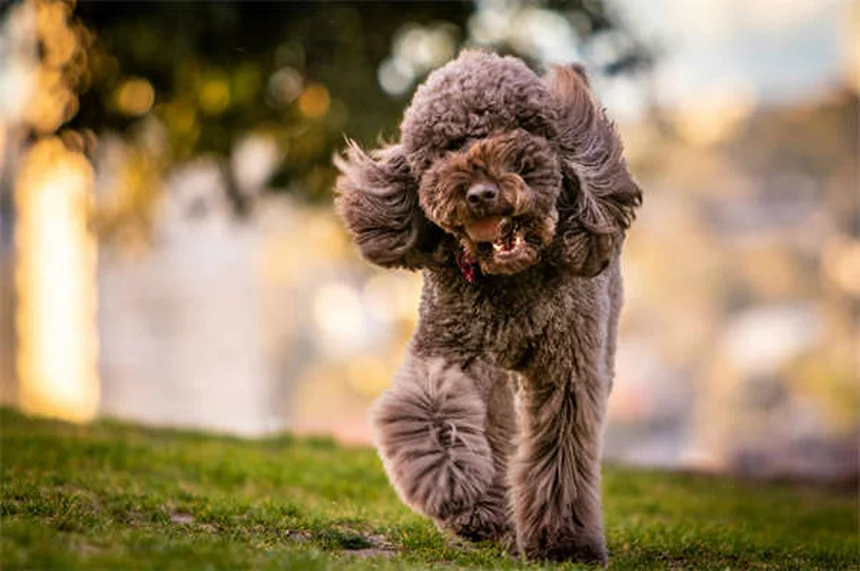 Photos provided by pixabay
The Portuguese Water Dog - The Fisherman's Best Friend
Let's start with this curly-coated charmer! Originally bred to help Portuguese fishermen, these dogs would actually herd fish into nets and retrieve lost gear from the ocean. How cool is that?
Today, they make fantastic family pets - just be ready for their high energy levels. A quick swim around the pool isn't enough for these athletes. They need at least 30 minutes of vigorous exercise daily. But hey, that just means more fun water time for both of you!
The Irish Water Spaniel - The Rare Water Wonder
This is one dog you don't see every day! With their distinctive "top knot" hairstyle and rat-like tail, they're impossible to miss. What they lack in conventional good looks (sorry, Irish Water Spaniel fans), they more than make up for in swimming skills.
Fun fact: Their coat actually contains natural oils that repel water, making them perfect for Ireland's rainy weather. No wonder they're always ready for a swim!
The American Water Spaniel - Wisconsin's Pride
Here's a true American original! As the official state dog of Wisconsin, this medium-sized spaniel was bred to hunt in the Great Lakes region. Their curly brown coat isn't just adorable - it's practically a wetsuit!
| Breed | Special Feature | Fun Fact |
|---|---|---|
| Portuguese Water Dog | Curly waterproof coat | Would dive for fish in Portugal |
| Irish Water Spaniel | Distinctive "top knot" | One of the rarest spaniels |
| American Water Spaniel | Double-layered coat | Wisconsin's state dog |
Retrievers - The Swimming Superstars
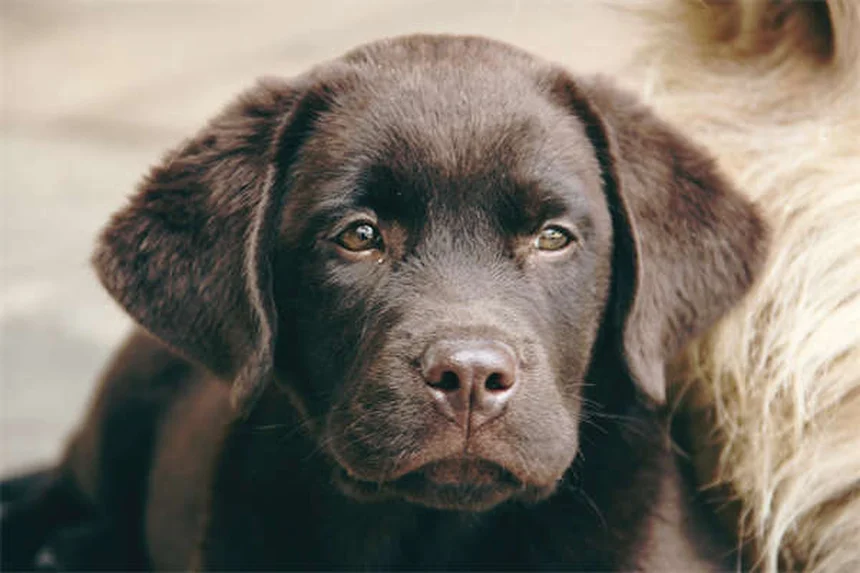 Photos provided by pixabay
The Portuguese Water Dog - The Fisherman's Best Friend
Is there anything Goldens can't do? These gorgeous dogs are basically swimming machines with their water-resistant coats and webbed feet. And let's be honest - that happy, "let's play!" attitude makes them perfect for water games.
Ever wonder why they're so good at fetch in water? It's all in their breeding! Their soft mouths were designed to gently carry birds without damaging them. That means your tennis ball comes back in perfect condition after every water retrieve.
Labrador Retrievers - The Olympic Swimmers
If dogs had an Olympics, Labs would take gold in swimming every time! With their otter-like tails and muscular bodies, they're built for aquatic adventures. And talk about energy - these dogs could swim for hours without tiring!
Here's a cool activity to try with your Lab: dock diving! It combines their love for running, jumping and swimming into one awesome sport. Just be prepared for a very wet (but very happy) dog afterward!
Chesapeake Bay Retrievers - The Tough Guys
These dogs don't just like water - they laugh at cold water! Their special oily coat acts like a natural wetsuit, allowing them to swim in freezing temperatures that would send other dogs running for dry land.
Did you know they were the first retriever breed recognized by the AKC? That's right - these Maryland natives have been official swimming champs since way back in 1878!
European Water Dogs You Should Know
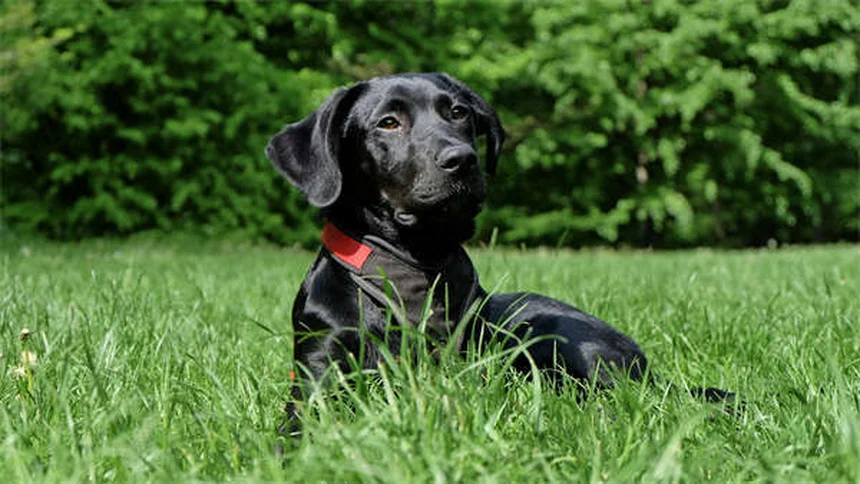 Photos provided by pixabay
The Portuguese Water Dog - The Fisherman's Best Friend
This curly-coated worker was originally bred to do everything - herding sheep, retrieving ducks, you name it! Today, they bring that same versatility to family life. Just don't be surprised if they try to "herd" your kids in the pool!
Their coat is seriously unique - it forms cords naturally, kind of like dreadlocks. And yes, it's completely waterproof. Perfect for their favorite activity: making big splashes!
Lagotto Romagnolo - The Truffle Hunter
Here's a fun career change: these Italian water dogs used to retrieve ducks, but now they're famous for sniffing out expensive truffles! Don't let their new job fool you though - they still love swimming as much as ever.
The name literally means "water dog" in Italian dialect. And with their webbed feet and waterproof coat, they're definitely living up to it!
The Big Boys of Swimming
Newfoundland - The Lifeguard Dog
Ever seen a dog that could literally save your life? Meet the Newfoundland! These gentle giants were bred to rescue drowning sailors, and they're still amazing at water rescue today. How do they do it?
- Massive size (up to 150 pounds!)
- Webbed feet like a bear
- A coat so thick it's practically buoyant
- Natural lifesaving instincts
Here's something incredible: Newfoundlands can actually sense when someone's in trouble in the water. That's not just training - it's in their DNA!
Otterhound - The Specialist
You don't get much more specialized than this! As the name suggests, these shaggy dogs were bred specifically to hunt otters. And they've got all the right equipment:
- A nose that can smell underwater
- A double coat for insulation
- Giant webbed feet for powerful swimming
- Enough energy to chase otters all day
While otter hunting isn't common anymore, these dogs haven't forgotten their roots. Take one near water and watch them transform into swimming machines!
Water Safety - Keeping Your Pup Happy and Safe
Not All Water Dogs Are Born Swimmers
Here's something that might surprise you: just because a breed loves water doesn't mean every individual dog is a natural swimmer. Some need encouragement and training to feel comfortable.
How can you tell if your dog needs swimming lessons? Watch for these signs:- Hesitation at the water's edge- Panicked paddling- Difficulty keeping their head above water- Quickly tiring in the water
Teaching Your Dog to Swim
Want to help your pup become a confident swimmer? Here's my step-by-step guide:
- Start in shallow water where they can stand
- Use treats and toys to encourage exploration
- Support their belly at first if needed
- Gradually move to deeper areas
- Always let them exit easily
- Make it fun with lots of praise!
Remember: never throw a dog into deep water! This can create lasting fear. Instead, let them build confidence at their own pace.
Essential Safety Gear
Even Michael Phelps uses equipment - your dog should too! Here's what I recommend:
Life Jackets: Especially important for beginners, short-nosed breeds, and older dogs. Look for bright colors and a sturdy handle.
Water Shoes: Protect those paws from hot surfaces and sharp objects.
Fresh Water: Swimming makes dogs thirsty, but lake or pool water can make them sick.
First Aid Kit: Because accidents happen, even to water pros.
Final Splashes
Choosing Your Water Companion
Thinking about adding a water-loving dog to your family? Consider your lifestyle! Some breeds, like the energetic Labrador, need hours of exercise daily. Others, like the Newfoundland, require lots of space.
Ask yourself:- How much time can I dedicate to exercise?- Do I have access to safe swimming areas?- Am I prepared for a wet, possibly muddy dog regularly?- Can I handle the grooming needs of a water-resistant coat?
Making Memories in the Water
Some of my favorite childhood memories involve swimming with our family Labrador. There's nothing quite like watching a water dog in their element - pure joy in motion!
Whether you're into dock diving, beach trips, or just backyard pool fun, a water dog will multiply the enjoyment exponentially. Just don't forget the towels - you're going to need lots of them!
The Science Behind Water Dogs' Abilities
How Their Bodies Are Built for Swimming
Ever wonder why water dogs make swimming look so effortless? It's not just practice - their bodies have evolutionary adaptations that make them aquatic superstars. Let's geek out on some biology for a minute!
Their lung capacity is about 30% larger than land-based breeds, allowing them to stay underwater longer. That thick double coat? It's not just for looks - the outer layer repels water while the undercoat traps air for insulation. And those webbed feet aren't just cute - they provide up to 25% more propulsion than regular paws!
The Psychology of Water-Loving Dogs
Why do some dogs go crazy for water while others avoid it? It's not just about breed - there's fascinating psychology at play. Water dogs show higher levels of dopamine release when interacting with water compared to other breeds.
Researchers believe this stems from centuries of selective breeding where humans rewarded water-loving behaviors. The result? Modern water dogs literally get a "happy high" from swimming! No wonder your Lab acts like a puppy every time you turn on the hose.
Water Sports You Can Enjoy With Your Dog
Dock Diving - The Ultimate Splash Competition
If you haven't seen dock diving yet, you're missing out! Dogs run down a 40-foot dock and leap as far as possible into a pool. The current world record? An incredible 36 feet by a Belgian Malinois named "Sounders."
You don't need a champion to try this - any water-loving dog can participate. Start with short docks and lots of encouragement. Pro tip: Use their favorite toy as motivation! Before you know it, you'll have your own little Michael Phelps.
Water Rescue Training - More Than Just Fun
Did you know you can actually certify your dog in water rescue? Organizations like the American Kennel Club offer programs where your pup can learn lifesaving skills.
The training includes:- Towing swimmers to safety- Retrieving floating objects- Boarding boats from water- Emergency recall commands
Even if you never need these skills, the bonding experience is priceless. Plus, watching your dog proudly wear their rescue vest is absolutely adorable!
Grooming Secrets for Water Dogs
Bathing Without the Battle
You'd think water dogs would love baths, right? Funny enough, many put up the same fuss as other breeds! Here's how to make bath time easier:
First, brush thoroughly before getting them wet to prevent mats. Use lukewarm water - not too hot, not too cold. Invest in a non-slip mat so they feel secure. And most importantly - make it fun with treats and praise!
Dealing With That Wet Dog Smell
Let's be real - water dogs can get stinky. But before you reach for perfumed sprays, try these natural solutions:
| Problem | Solution | Frequency |
|---|---|---|
| Ear Odor | Vinegar-water rinse (1:1) | After every swim |
| Coat Odor | Baking soda rub | Weekly |
| Paw Odor | Green tea soak | As needed |
Remember, some odor is normal - their coats contain special oils that protect them in water. Over-bathing can actually make the problem worse!
Nutrition for Active Water Dogs
Fueling Your Swimming Superstar
Water dogs burn twice as many calories during swimming compared to regular running! That means their diet needs special attention. Look for foods with:
- High-quality protein (30% or more)- Omega-3 fatty acids for coat health- Complex carbohydrates for sustained energy- Added electrolytes in summer months
Ever notice your dog drinking pool water? That's a sign they need more fresh water available! Swimming is thirsty work, and chlorinated water can upset their stomach.
Treats That Make a Splash
Training near water requires special treats that won't get ruined by moisture. Try these waterproof options:
Freeze-dried liver: Stays tasty even when wetCheese cubes: Naturally water-resistantDehydrated sweet potato: Floats for easy retrievalPeanut butter biscuits: Stays together when damp
Pro tip: Store treats in a floating container so they're always accessible during water sessions!
Traveling With Your Water Dog
Beach Vacation Must-Haves
Planning a beach trip with your aquatic buddy? Don't forget these essentials:
- Collapsible water bowl (sand-free drinking!)- Doggy sunscreen (yes, it's a thing!)- Floating leash for safety- Shade tent for breaks- Sand-proof blanket- Portable shower for rinsing
Did you know salt water can dry out their coat? Always rinse thoroughly after ocean swims to maintain that waterproof magic.
Boat Safety 101
Taking your water dog boating? Let's talk safety. First, always use a dog life jacket, even if they're strong swimmers. Currents and boat wakes can be unpredictable.
Other tips:- Teach them how to board from the water- Provide non-slip surfaces on deck- Bring fresh water (never let them drink lake/ocean water)- Watch for signs of seasickness- Have an emergency plan
Remember, not all dogs take to boats naturally. Start with short trips near shore and gradually increase duration.
Water Dogs in Popular Culture
Famous Water Dogs Through History
Water dogs have made quite the splash in history! Did you know:
- Lewis and Clark's Newfoundland, Seaman, helped explore the American West- A Portuguese Water Dog named Bo lived in the White House with the Obamas- The movie "The Guardian" featured Coast Guard rescue dogs- Surfing dogs have been setting records since the 1920s
These pups aren't just pets - they're cultural icons! Maybe your water dog will be the next famous swimmer.
Water Dogs in Literature and Film
From children's books to blockbuster movies, water dogs steal the show. Some favorites:
"The Incredible Journey" - Features a Labrador retriever's aquatic adventures"Old Yeller" - Showcases a Yellow Lab's swimming skills"Where the Red Fern Grows" - Includes water-based hunting scenes"Marley & Me" - Who can forget Marley's pool antics?
Next movie night, why not pick a film featuring your dog's water-loving cousins? Just keep towels handy - they might get inspired!
E.g. :Dogs That Can Swim Easily: 16 Dog Breeds That Love the Water
FAQs
Q: What makes a dog a "water dog"?
A: Water dogs are specifically bred for aquatic activities with physical traits that make them excellent swimmers. We're talking about webbed feet that act like natural paddles, waterproof coats that keep them dry, and muscular bodies built for endurance in water. But it's not just about looks - these dogs have an instinctive love for water that's incredible to watch. I've seen Portuguese Water Dogs leap into pools with zero hesitation and Chesapeake Bay Retrievers swim in freezing temperatures without complaint. Their history as working dogs (helping fishermen, retrieving waterfowl, even performing water rescues) means this love for water is literally in their DNA!
Q: Are all water dogs good family pets?
A: Most water dog breeds make fantastic family companions, but there are some important considerations. These breeds tend to be high-energy - a quick walk around the block won't cut it for a Labrador or Irish Water Spaniel. They need serious exercise, preferably involving water activities. I always tell potential owners: if you're not prepared for daily swims or water games, a water dog might not be the best fit. That said, their intelligence, loyalty and playful nature make them wonderful with kids when properly exercised. Just be ready for lots of wet dog smells and muddy paw prints!
Q: How can I tell if my dog is a natural swimmer?
A: Even within water dog breeds, individual swimming abilities can vary. Here's what I look for: First, observe their natural reaction to water - true water dogs will charge in without hesitation. Check for physical traits like webbed feet (spread their toes to see) and a water-resistant coat (water should bead up). Their swimming style matters too - efficient, powerful strokes indicate natural ability. But remember, some dogs need encouragement! I've helped many hesitant pups become confident swimmers through positive reinforcement. Start shallow, use treats and toys, and never force them - let their natural abilities shine through.
Q: What safety precautions should I take with water dogs?
A: As someone who's worked with these breeds for years, I can't stress water safety enough. First, always supervise swimming sessions - even expert swimmers can get tired or caught in currents. Invest in a quality canine life jacket, especially for beginners or when swimming in open water. Watch for hazards like toxic algae in lakes or strong pool chemicals. I recommend teaching your dog how to exit the pool safely - install a ramp or show them where the steps are. And please, rinse them off after swimming to prevent skin irritation from salt or chlorine. A little precaution goes a long way in keeping your water dog safe!
Q: Which water dog breed is easiest to train?
A: In my experience, Labrador and Golden Retrievers are typically the easiest water dogs to train thanks to their eager-to-please personalities and food motivation. These breeds practically train themselves when you incorporate water activities! Portuguese Water Dogs and Standard Poodles are also highly trainable with their impressive intelligence. But here's a pro tip: all water dogs respond best to training that involves their favorite element. I've had incredible success using water retrieves as rewards during obedience training. Just remember - their enthusiasm for water can sometimes override their focus, so keep sessions short and fun!